
Shopping Mall Acoustics
The Need For Shopping Centre Acoustics
In today’s competitive retail landscape, shopping centres, shopping malls and retail stalls are no longer just places to buy goods—they are lifestyle destinations, social hubs, and entertainment centres. As architects and designers create increasingly elaborate and immersive retail environments, one crucial yet often overlooked factor plays a key role in shaping customer experience: acoustics.
Why Acoustics Matter in Shopping Centres
Acoustics influence how people feel in a space. The sound environment affects our mood, concentration, and even purchasing decisions. In shopping centres, good acoustics can enhance comfort, reduce stress, and promote longer dwell times, which can translate into higher sales for retailers. Conversely, poor acoustics—characterised by excessive noise, echoes, or unintelligible announcements—can lead to a chaotic, uncomfortable atmosphere that drives customers away.
Sound in a shopping centre comes from many sources: music, conversations, foot traffic, escalators, ventilation systems, and promotional announcements. Without proper acoustic management, these sounds can blend into an overwhelming cacophony. The goal of acoustic design is not to eliminate noise entirely, but to manage and shape it in a way that enhances the overall experience.
Key Acoustic Challenges in Shopping Centres
Reverberation and Echo
Shopping centres often feature large, open atriums with hard surfaces like tile, glass, and concrete. These materials reflect sound, leading to long reverberation times and echoes. This can make speech unintelligible, especially in food courts or near information desks, reducing the effectiveness of customer service and public announcements.
Background Noise
HVAC systems, music, and general crowd noise can create a constant background hum. While a moderate level of ambient sound can be comforting, too much noise becomes stressful. This is particularly problematic in areas like cafes or reading zones within bookstores where a quieter environment is preferred.
Sound Bleed Between Zones
Shopping centres typically include a mix of spaces: retail stores, cinemas, food courts, play areas, and sometimes even clinics or co-working spaces. Without proper sound isolation, noise from one area can bleed into another. For example, loud arcade games near a relaxation lounge can disrupt the intended atmosphere of both zones.
Poor PA System Design
Public address systems are essential for announcements and emergency alerts. However, in many centres, the systems are not acoustically tuned for the space. Poorly distributed speakers and mismatched volume levels can make announcements difficult to hear or understand, posing a potential safety risk.
Design Strategies and Acoustic Solutions
To overcome these challenges, shopping centre designers employ a range of acoustic strategies:
-
- Acoustic Ceiling Tiles and Panels
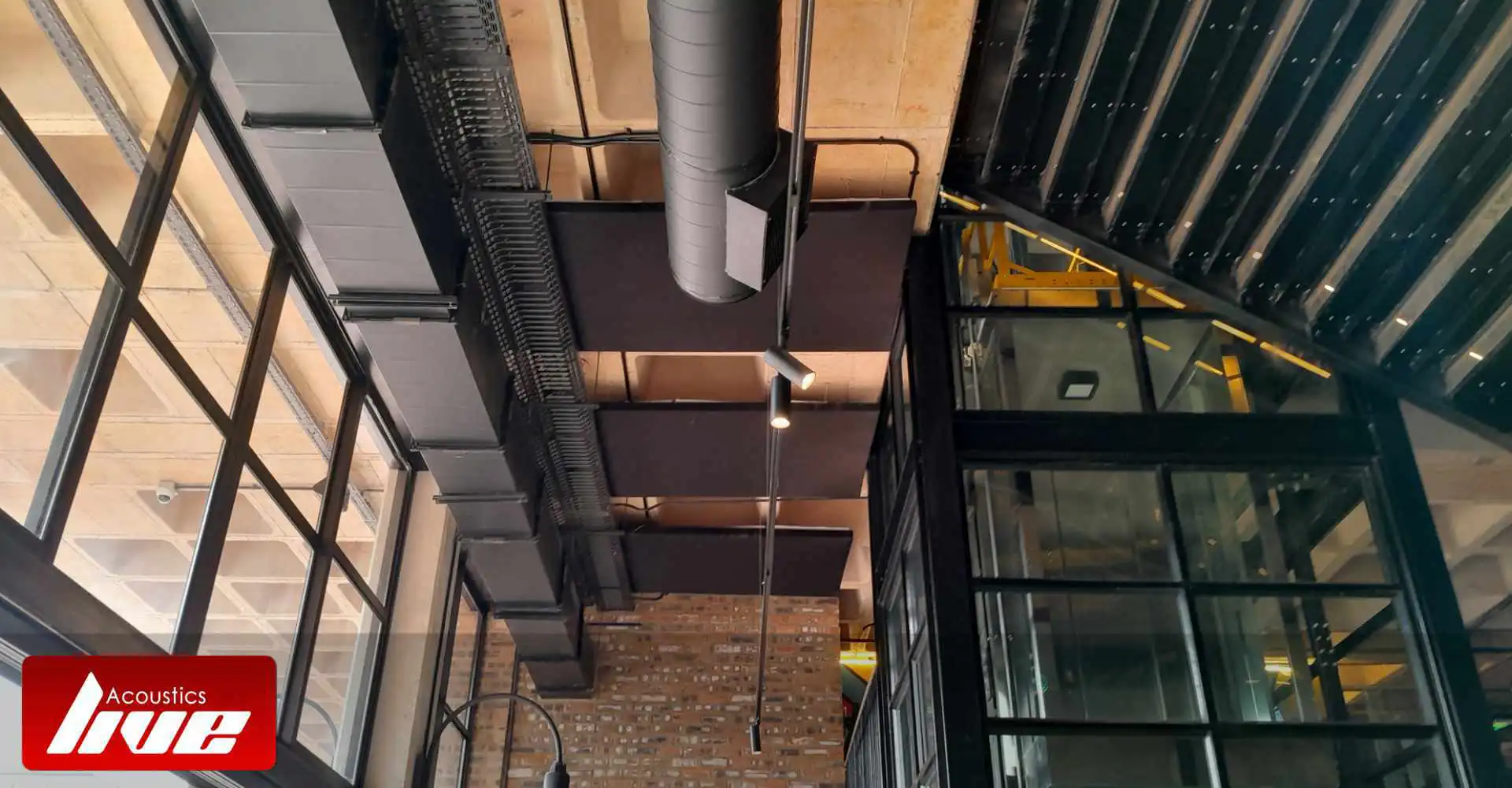
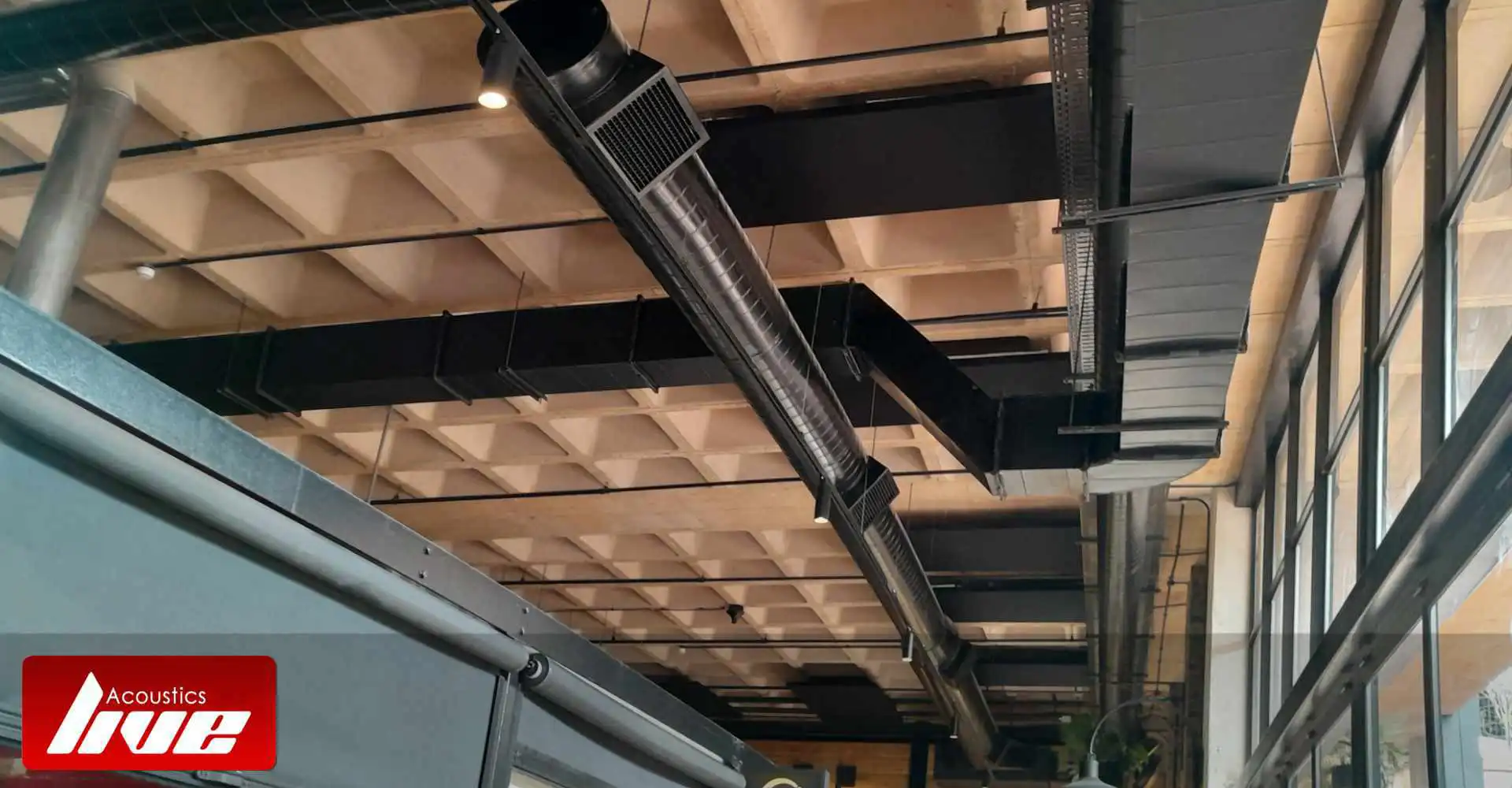
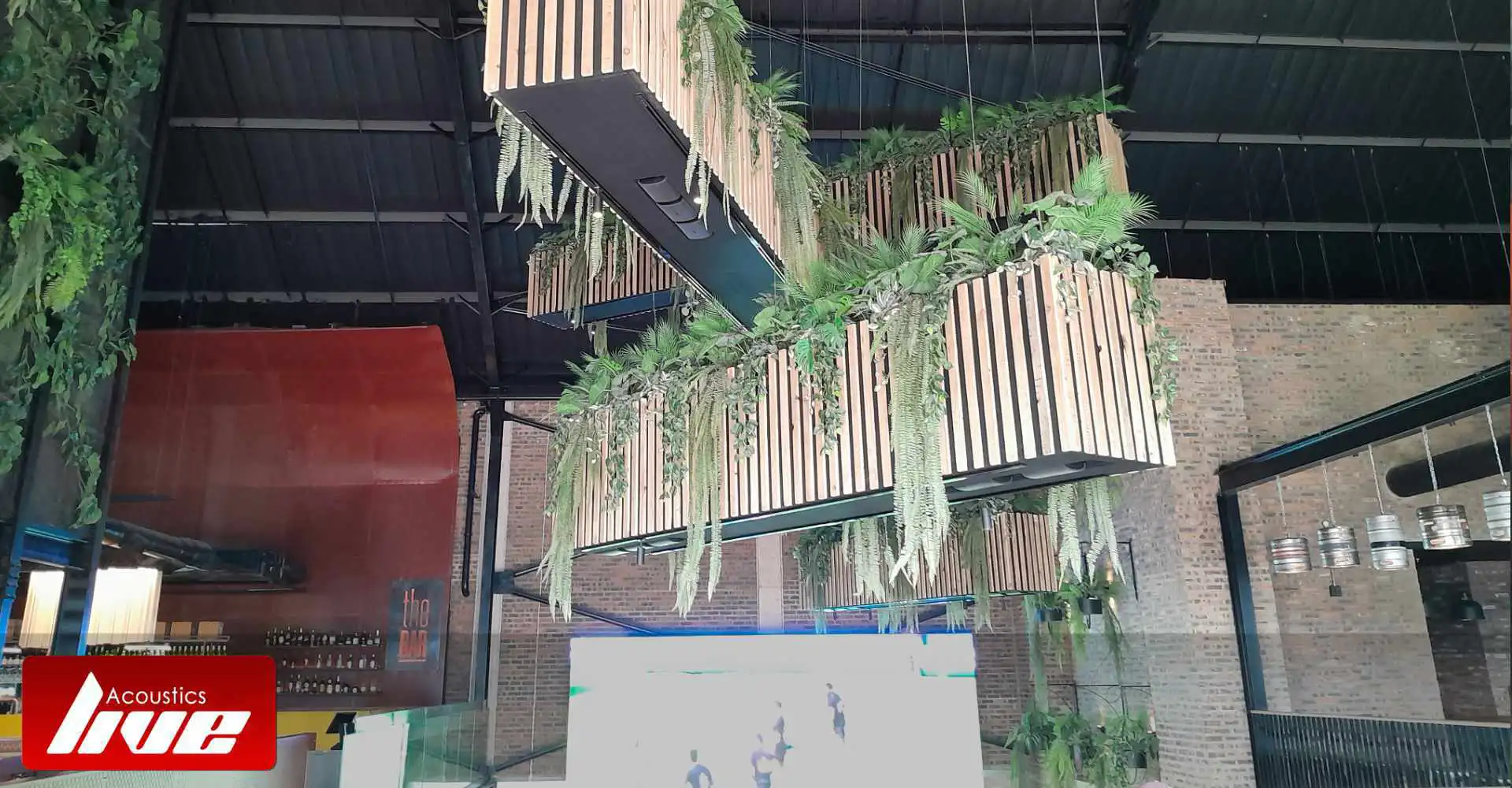
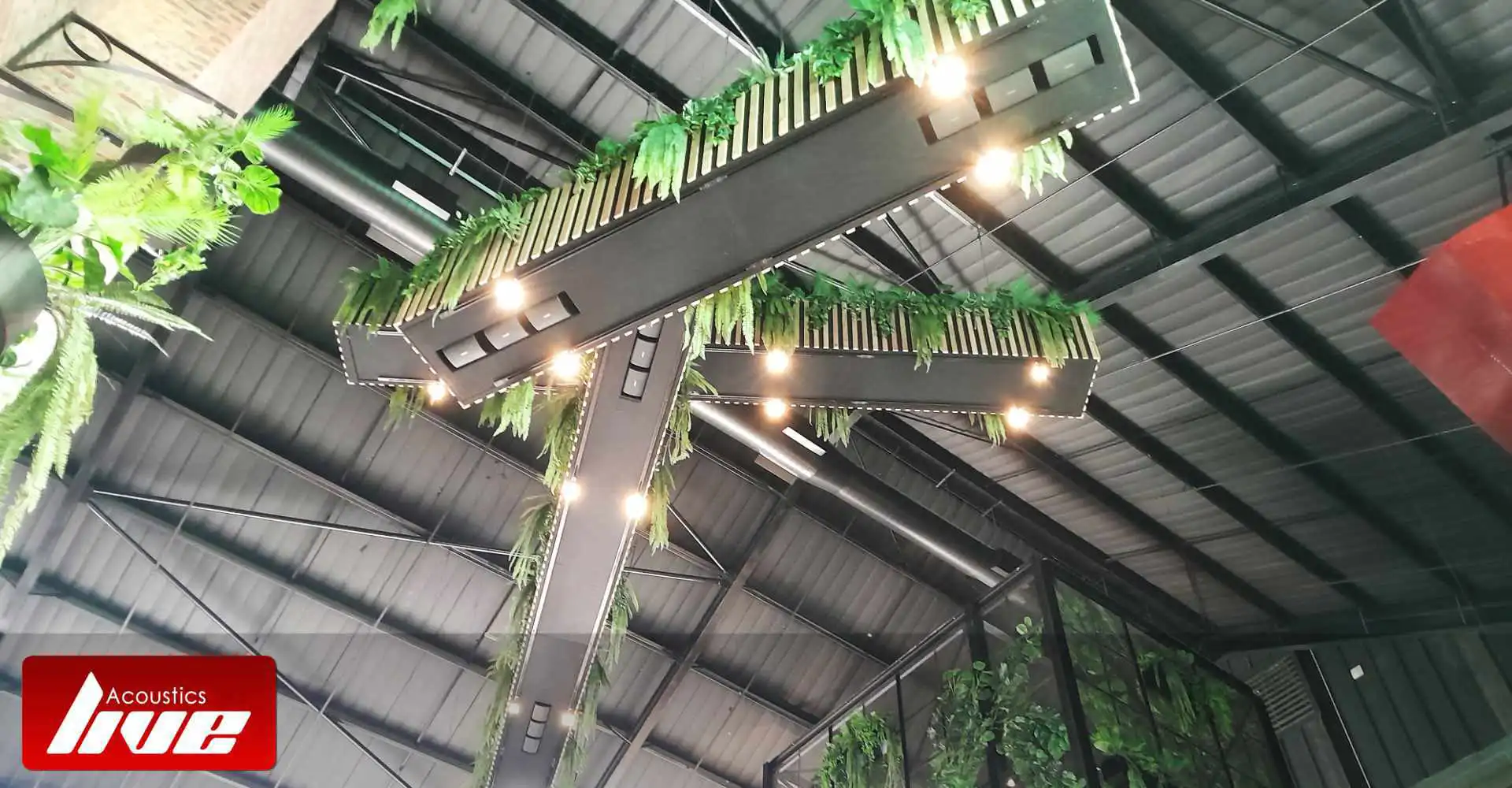
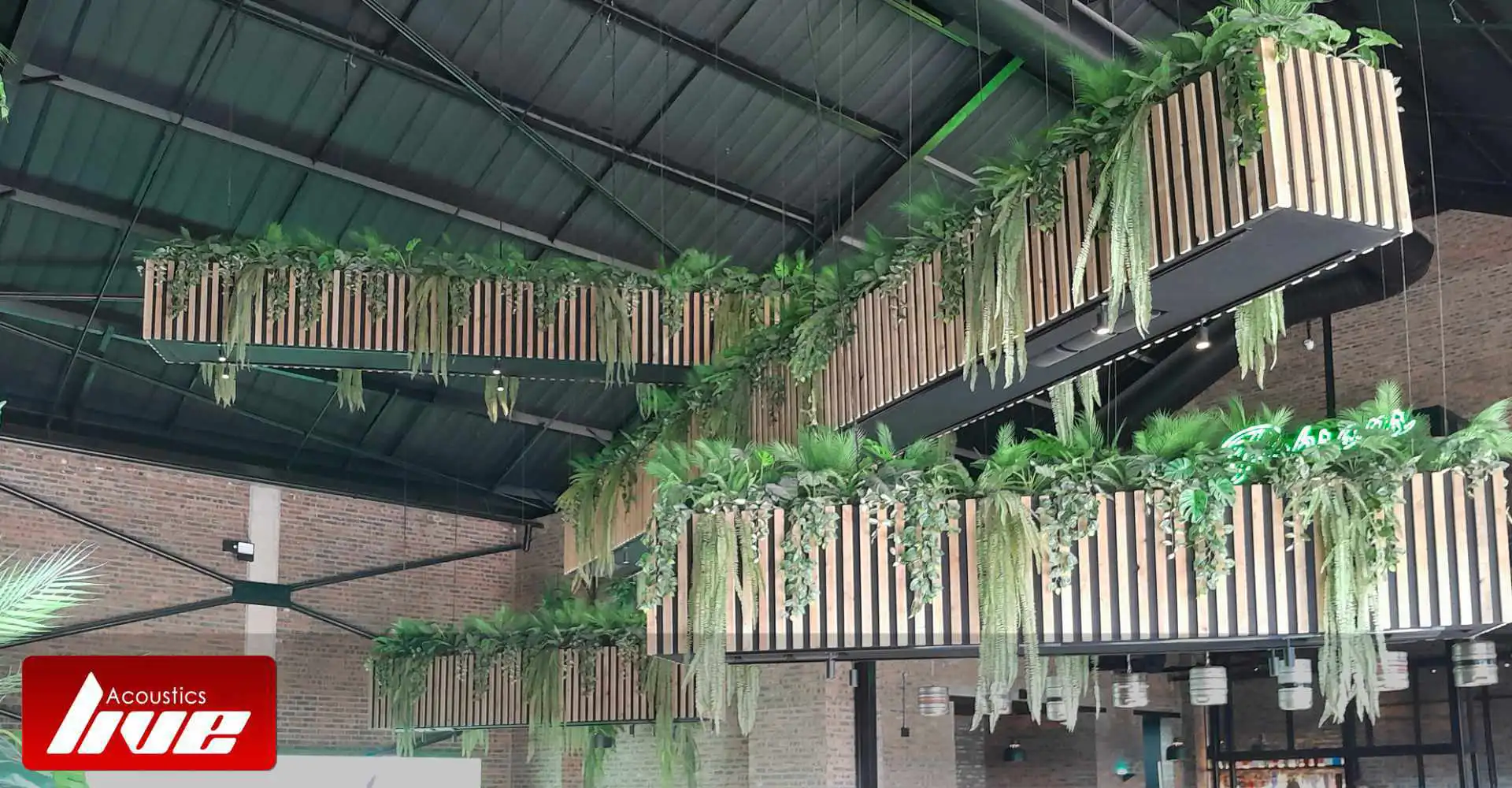
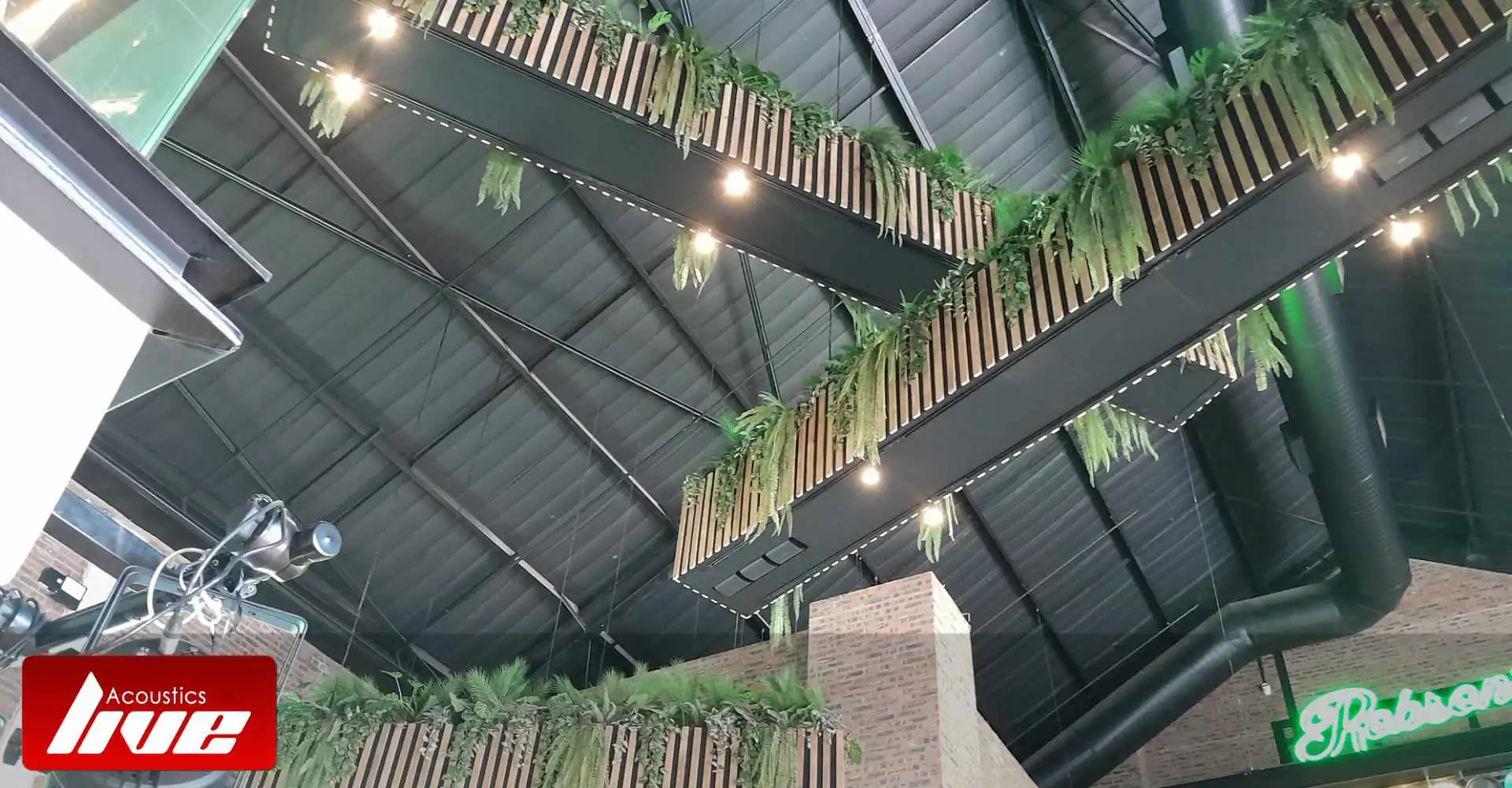
Installing sound-absorbing ceiling tiles or panels helps to reduce reverberation and control echo. These materials can be designed to blend aesthetically with the space, or even become architectural features in their own right. - Sound Absorbing Furnishings and Surfaces
Soft materials like carpets, fabric wall panels, upholstered furniture, and acoustic baffles help absorb sound. Strategic placement of these materials in high-traffic or noisy areas can significantly improve the acoustic environment. - Zoning and Spatial Planning
Grouping noisy and quiet functions into different zones, with adequate sound barriers between them, helps minimise sound bleed. Acoustic lobbies or transitional spaces between areas can also help buffer sound transmission. - Optimised Public Address Systems
A well-designed PA system takes into account the acoustic characteristics of the space. Directional speakers, zoned audio control, and clear speech enhancement technology can make announcements more intelligible without increasing volume excessively.\ - Use of Sound Masking
In some areas, particularly in administrative offices or customer service desks within the centre, sound masking systems can be used to add low-level background noise that helps reduce distractions and improve speech privacy.
The Role of Acoustic Consultants
Given the complexity of shopping centre environments, acoustic consultants are often brought in early in the design process. They conduct simulations, measure reverberation times, and advise on materials and layouts. Their input ensures that the final space not only looks good but also sounds good, creating a seamless sensory experience for shoppers.
- Acoustic Ceiling Tiles and Panels