
Room Products
Optimizing Room Acoustics for Superior Sound
Transform your space with precision acoustic design — less noise, better sound control, and noticeably higher performance.

Live Cinema
Home Cinema Acoustics
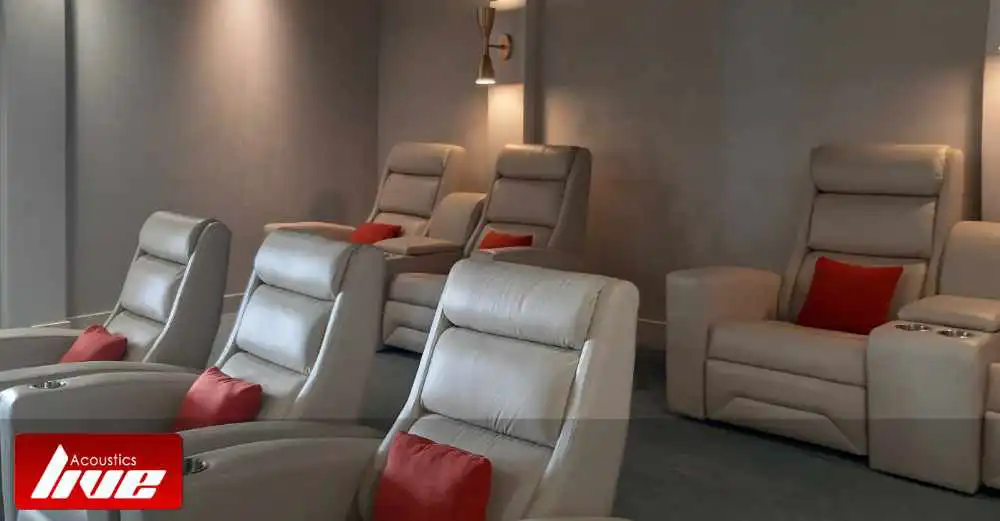
Live Theatre
Home Theatre Acoustics
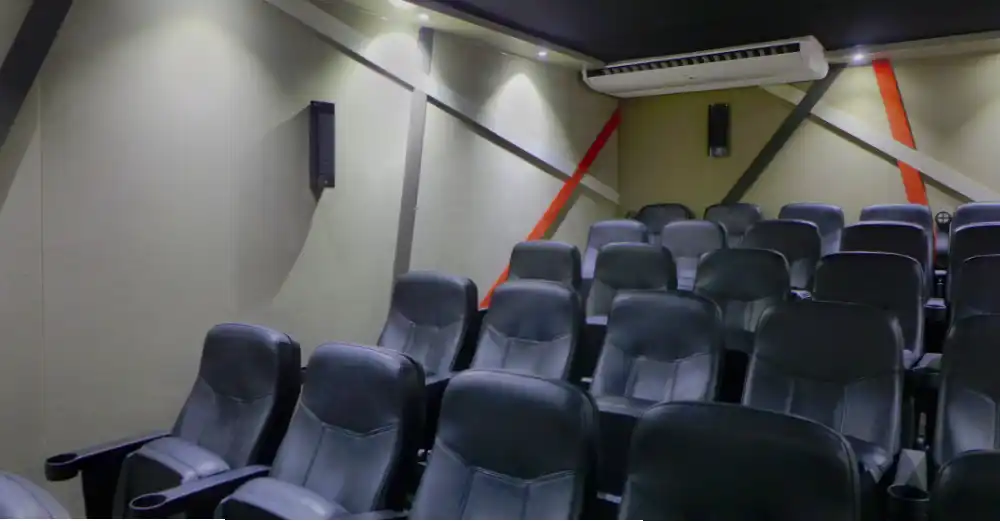
Live Commercial
Cinemas & Multiplexes
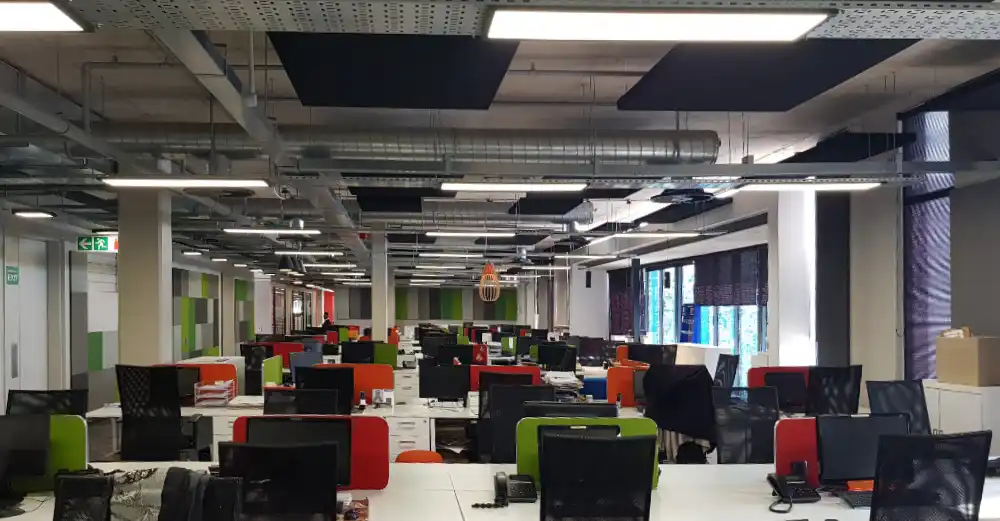
Live Office
Office Acoustic Treatment

Restaurant Acoustics
Acoustic Treatment for Restaurants
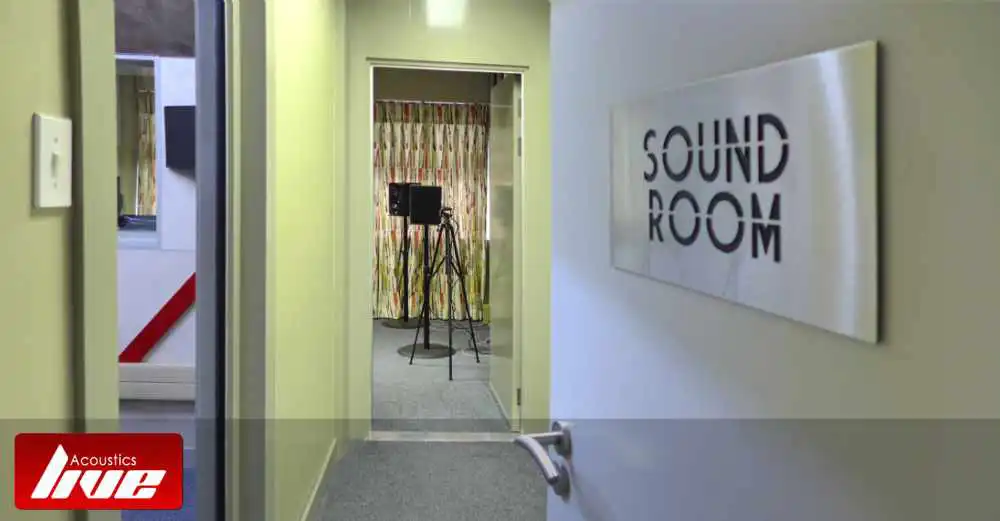
Live Studio
Recording Studio Acoustics
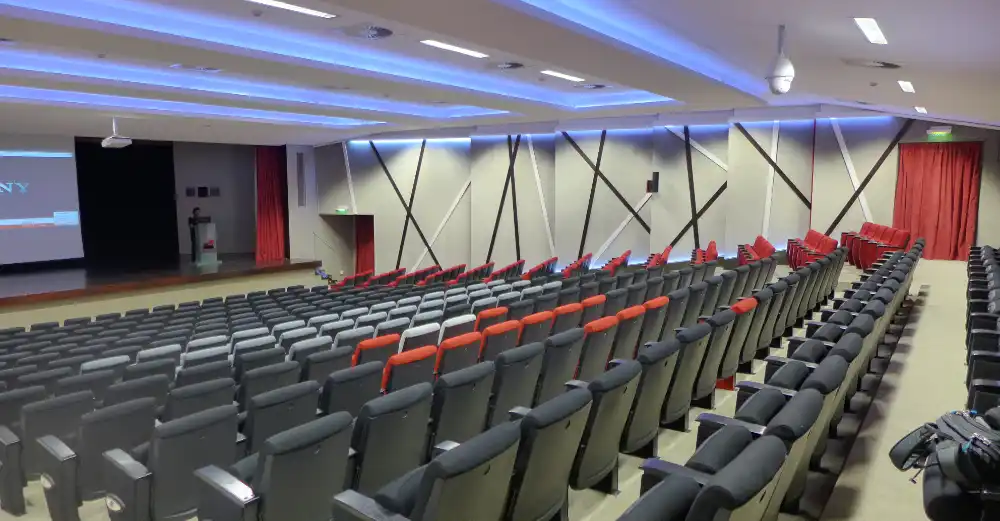
Auditorium Acoustics
New or Refurbished Space
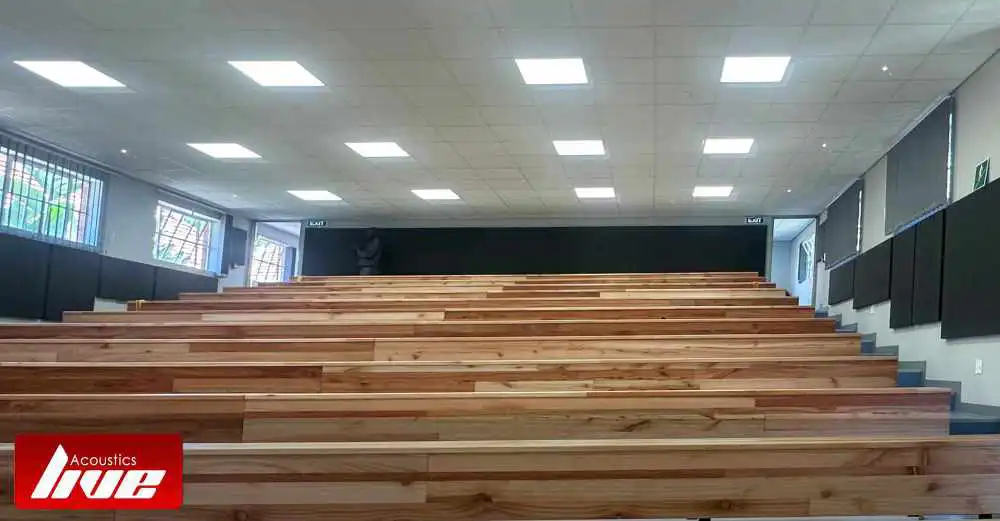
Live Halls
Classrooms & Canteens
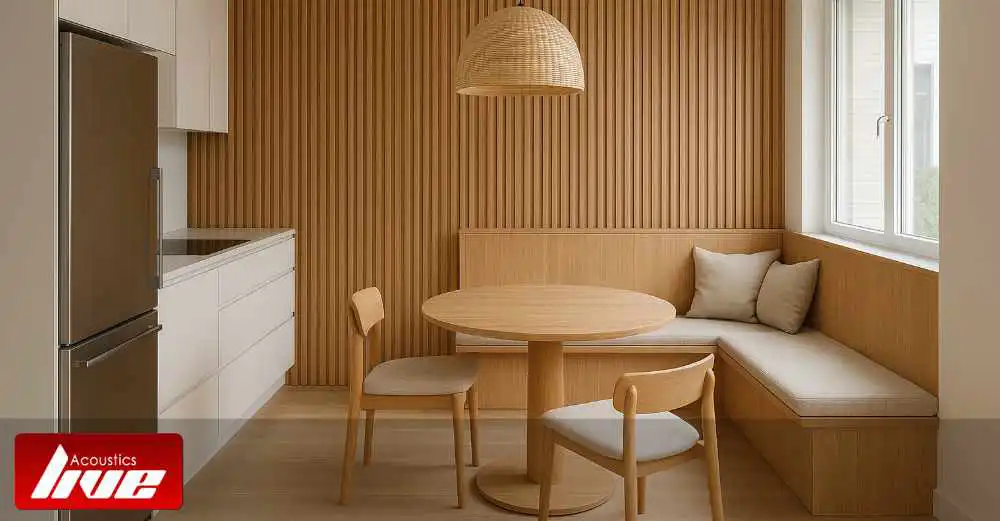
Live Home
Home Acoustic Solutions
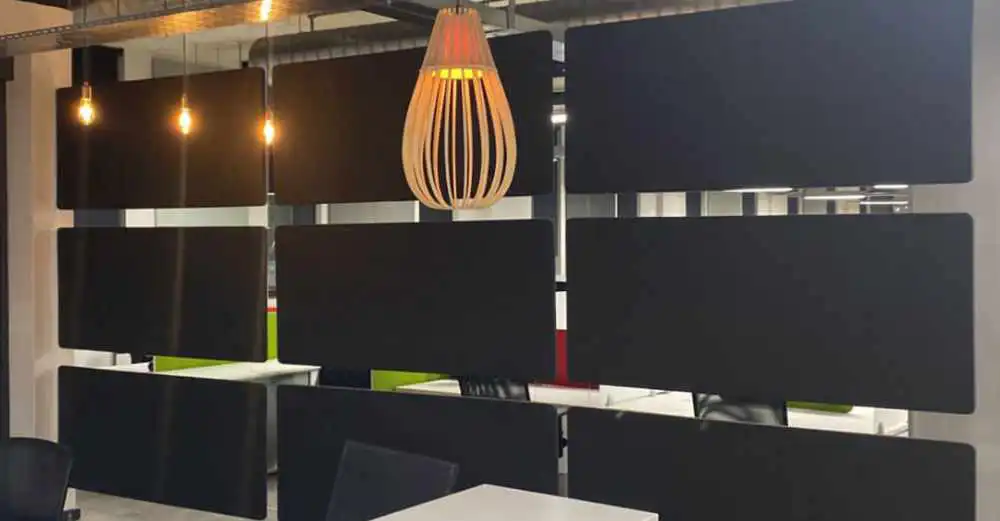
Live Textile
Hanging Screens Room Divider
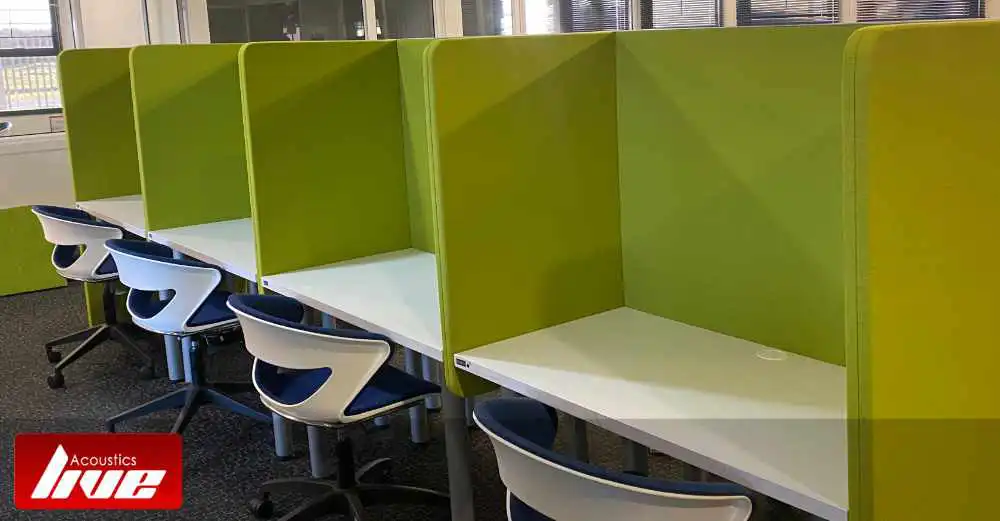
Live Textile
Desk Screes Desk Dividers
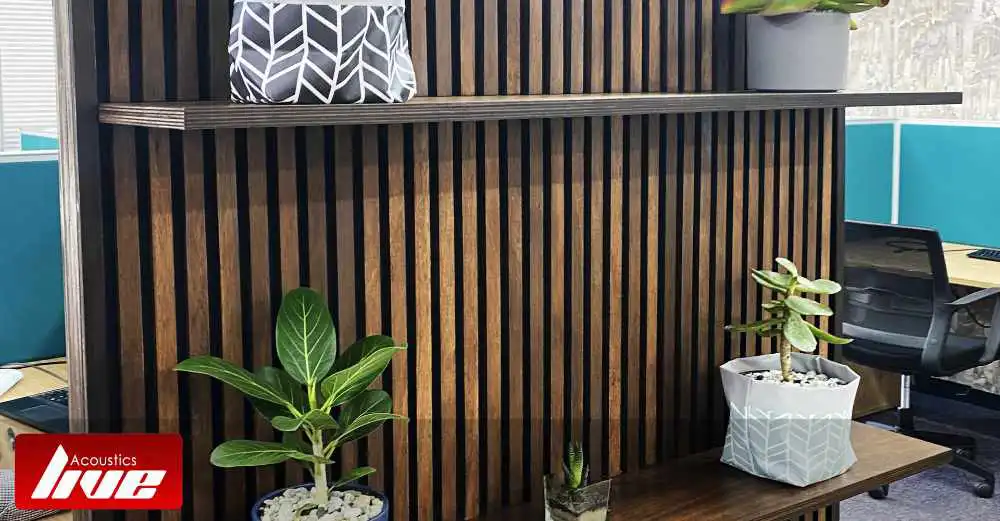
Live Timber
Slatted Acoustic Desk Dividers

Live Textile
Ottomans
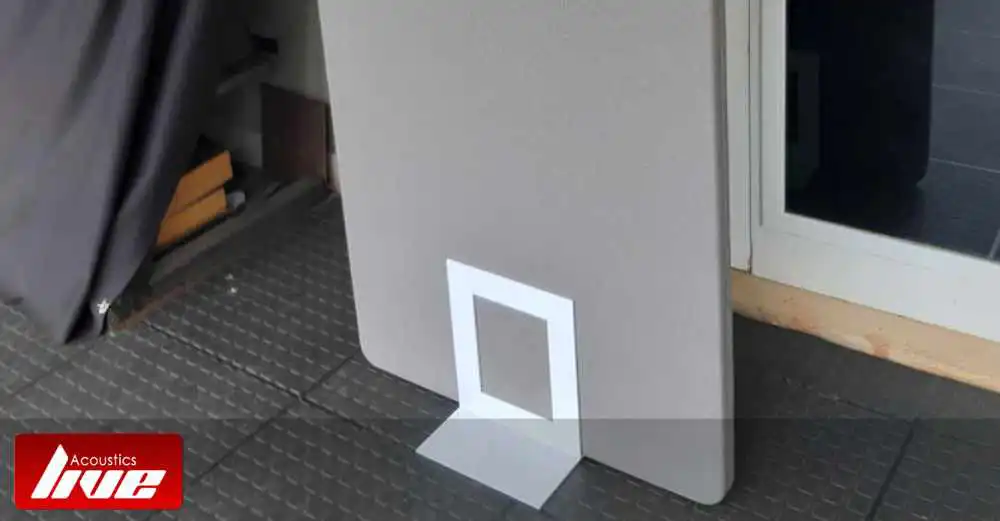
Live Textile
Floor Based Screens
Room Acoustics for Home Cinema's, Home Theatre's, Commercial Cinema Acoustics, Office Space Acoustics, Shopping Centre Acoustics, Restaurant Acoustics, Recording Studio Acoustics, Auditorium Acoustics, Home Acoustic Solutions, Halls Classroom and Canteens Acoustics.
Understanding how sound behaves in an enclosed space, influences how we perceive music, speech, and other audio within that environment. It involves the interaction of sound waves with the room's surfaces—walls, ceilings, floors, and objects—which can absorb, reflect, or diffuse sound energy. The design and materials used in a space can dramatically affect clarity, volume, and overall sound quality. Understanding room acoustics is essential in settings such as concert halls, recording studios, classrooms, and home theaters, where optimal sound performance is crucial for communication and experience.
Frequently Asked Questions
Here are Some Related Frequently Asked Questions.
Why does my restaurant need acoustic treatment?
A restaurant's atmosphere is just as important as its food. When noise levels become too high, guests struggle to hold conversations, staff find it harder to communicate, and the overall dining experience suffers. Excessive reverberation caused by hard surfaces such as concrete, glass, tiles, and exposed ceilings amplifies background noise, making even a moderately busy restaurant feel uncomfortably loud.
Professional acoustic treatment absorbs unwanted sound reflections while preserving the vibrant ambience that diners expect. The result is clearer conversations, improved customer comfort, reduced vocal strain for staff, and a more enjoyable environment that encourages guests to stay longer, return more often, and recommend your restaurant to others. Acoustic treatment can also be seamlessly integrated into your interior design through decorative wall panels, ceiling baffles, timber slats, or custom solutions that complement your restaurant's unique style.
Why can't I just use acoustic foam to treat my recording studio?
Acoustic foam only absorbs some high frequencies and does little to control bass build-up or overall room acoustics. A professionally treated studio uses a combination of bass traps, broadband absorbers, diffusers, and strategic placement to create a balanced listening environment.
How important is room acoustics when recording?
Room acoustics are just as important as microphones and recording equipment. Even high-end gear cannot compensate for excessive reverberation, standing waves, or unwanted reflections that colour recordings.
Does my room size affect the acoustic design?
Absolutely. Every room has unique dimensions that create different acoustic challenges. Room proportions, ceiling height, and construction materials all influence the type and placement of acoustic treatment.
Can my home benefit from acoustic treatment?
Yes. Acoustic treatment can significantly improve the comfort and sound quality of your home by reducing echo, improving speech clarity, and creating a quieter, more enjoyable environment. Spaces such as home theatres, living rooms, home offices, and open-plan areas often benefit the most. If you're building or renovating, involving an acoustic specialist early in the design process ensures the space can be optimised for the best possible acoustic performance.
Why is good acoustics so important in an auditorium?
Clear acoustics ensure every audience member can hear speech and performances accurately, regardless of where they are seated, improving both engagement and the overall experience.
Will acoustic treatment affect the appearance of the auditorium?
Not at all. Modern acoustic panels, timber slats, ceiling baffles, and custom finishes can be integrated seamlessly into the architectural design while enhancing the space aesthetically..
Soundproofing or Acoustic Treatment?
Soundproofing and Acoustic Treatment are they the Same Thing?
Soundproofing blocks sound from entering or leaving a room. Acoustic treatment improves sound quality inside the room. Treatment does not soundproof.
Acoustic Foam Is it Effective?
Does cheap egg-carton acoustic foam work?
Thin foam only absorbs high frequencies. It leaves low and mid frequencies untouched, so the room often feels stuffy yet still sounds boomy and muddy.
Professional acoustic panels use dense materials like rigid fiberglass or rockwool.
Are Bass Traps Neccessary?
Why do I need bass traps if my small room doesn't have a lot of bass?
Small rooms actually need bass traps more. Low frequencies build up in corners, creating uneven bass (peaks and nulls). Bass traps flatten the low end for accurate sound.
What is Flutter Echo?
What is "flutter echo" and how do I fix it?
Flutter echo is the harsh, metallic ringing you hear when clapping in an empty room. It occurs when high frequencies bounce rapidly between parallel hard walls. A couple of absorption panels on one wall stops it instantly.
What are Boundary Layer Effects?
Why does my bass sound twice as loud when I sit near the back wall??
This is caused by "boundary pressure buildup." When sound waves hit a solid barrier like a wall, the acoustic pressure maximizes. If your seat is right against the back wall, you are sitting in a massive bass peak, which skews your perception of the low end. Try to move your listening chair at least a few feet away from any wall.