
Services
Sound, Exactly How It Was Meant to Be Heard.
We blend flawless acoustic physics with stunning design to create spaces that look great and sound perfect.
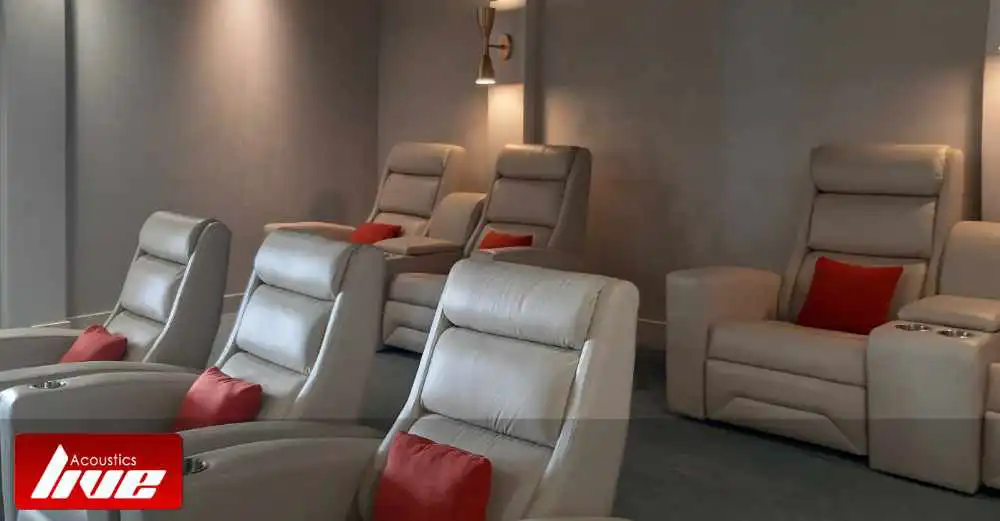
New Installs
New Space New Challenge
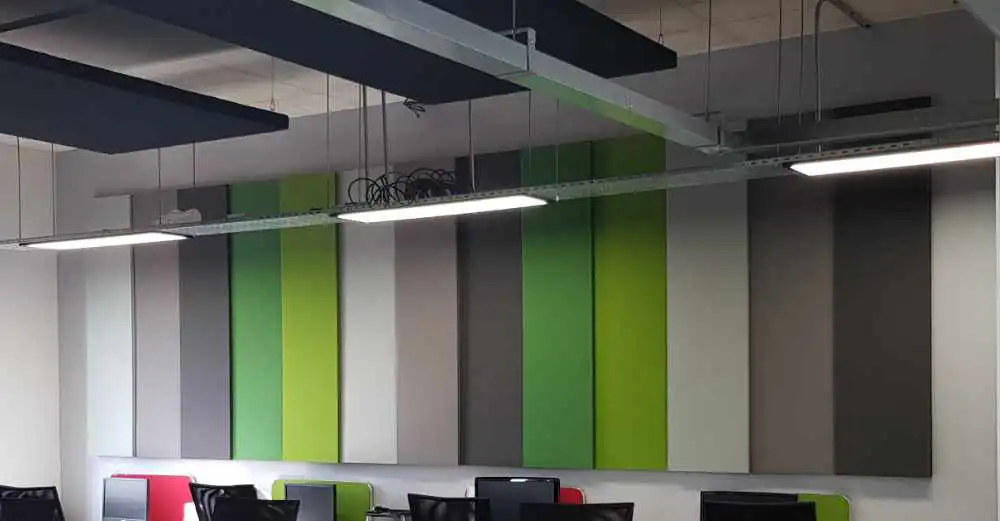
Wall Products
Acoustic Wall Solutions
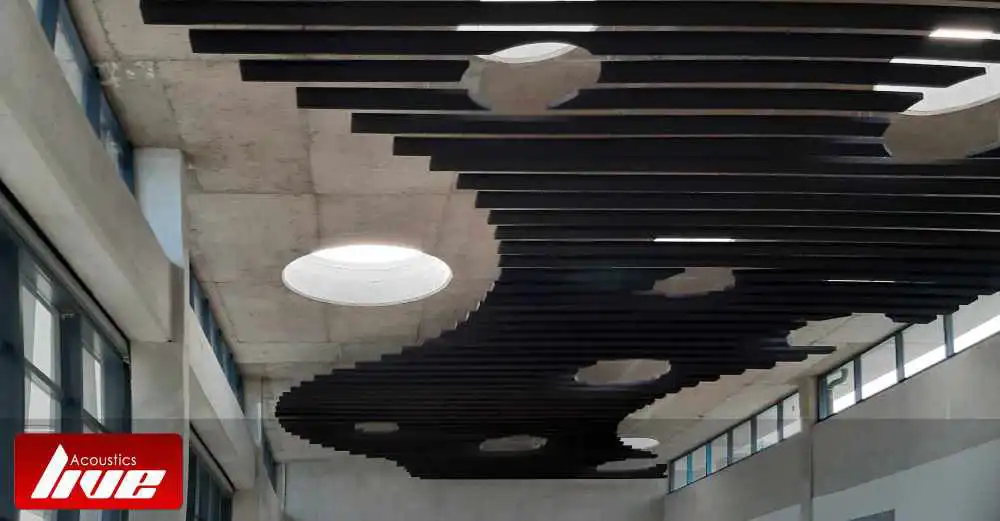
Ceiling Products
Acoustic Ceiling Solutions
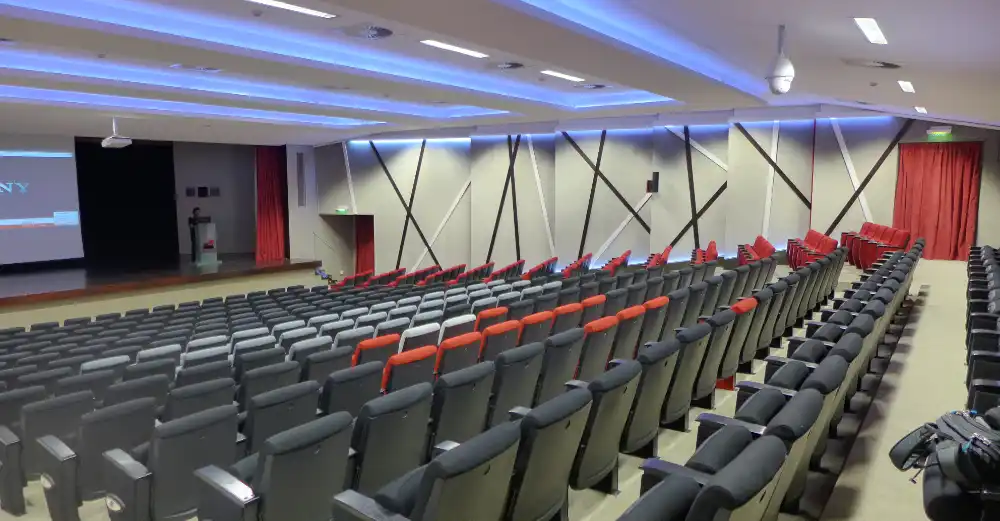
Room Products
Acoustic Room Solutions
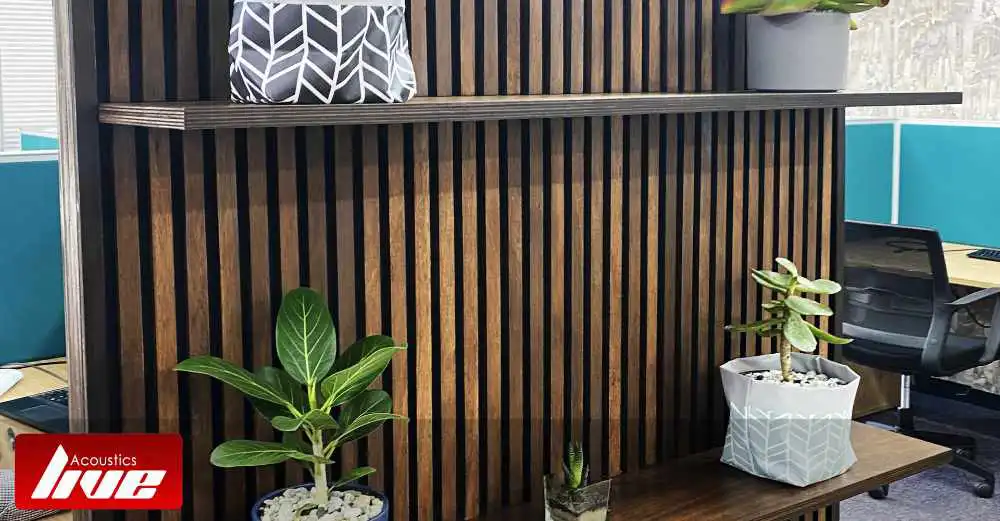
Other Products
Innovation From Client Interaction
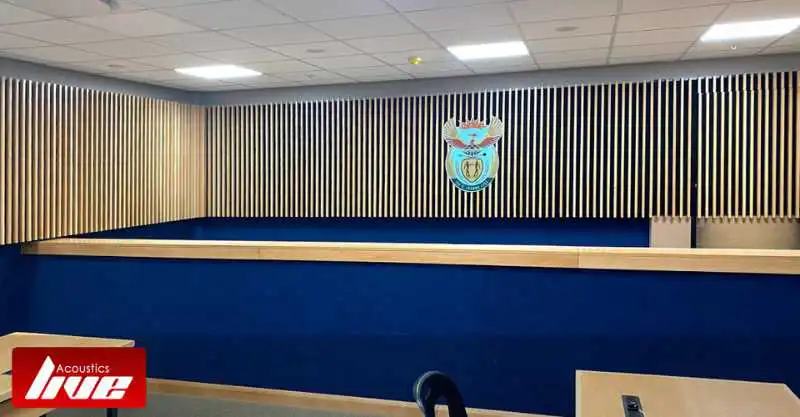
Retrofit Installs
Value Added Solutions
Acoustic Consulting
Ensure Clarity, Conquer Noise

Customer Support
People 1st, Problems Solved
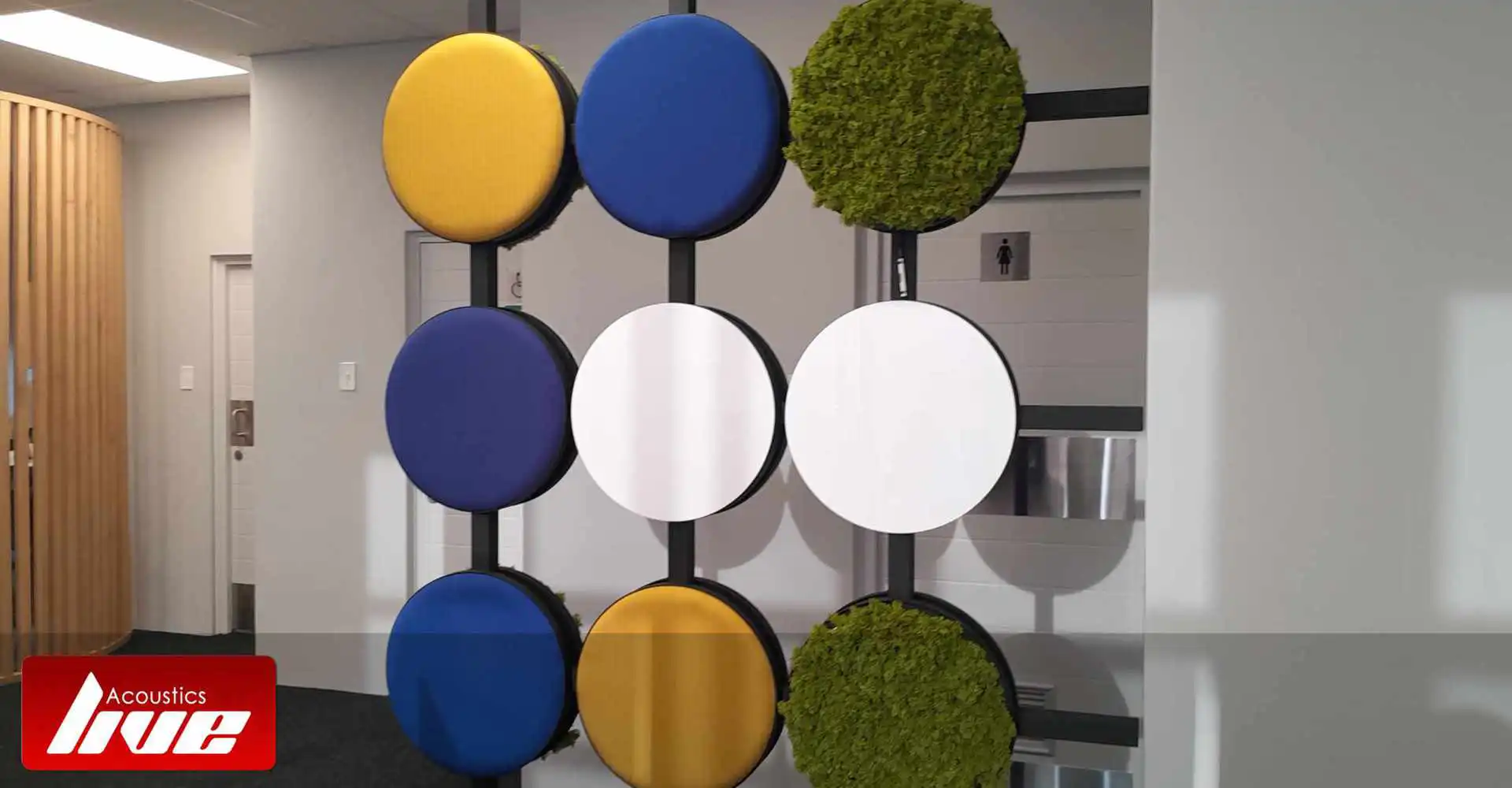
Product Development
Always Pushing Boundaries
Frequently Asked Questions
Here are Some Related Frequently Asked Questions.
Should I install acoustic treatments before or after painting and flooring are finished?
Live Acoustics works across a massive variety of spaces, which generally fall into four main categories:
- Entertainment: Home cinemas, commercial theaters, and auditoriums.
- Corporate & Legal: Boardrooms, open office spaces, reception areas, and courtrooms.
- Creative: Broadcast and recording studios.
- Unusual Geometries: Custom, adaptive acoustic designs for unusually shaped or irregular rooms.
When should I involve an acoustic specialist for my home theatre or home cinema?
The ideal time is during the architectural design stage, before construction begins. Early acoustic planning allows room dimensions, ceiling heights, wall layouts, and building materials to be optimised for sound performance. This often results in a better-sounding theatre while reducing the need for costly modifications later.
Do you work with architects and interior designers?
Absolutely. We regularly collaborate with architects, interior designers, and builders to integrate acoustic performance into the design from the outset. This ensures your home theatre delivers an immersive cinematic experience without compromising the overall aesthetic.
How do I choose between 25mm and 50mm thick wall panels?
It all comes down to the frequencies you need to absorb:
- 25mm panels are great for high-frequency sounds like human speech, clicking keyboards, and ringing phones. They are perfect for standard offices and conference rooms.
- 50mm panels absorb much lower frequencies, like the thumping bass from music, mechanical hums, or deep voices. Choose 2-inch panels for recording studios, home theaters, or spaces with heavy media use.
When should I use acoustic clouds/baffles instead of a standard drop ceiling?
-
Acoustic Clouds and Baffles hang vertically or horizontally from an open ceiling. They are ideal for modern spaces with exposed ductwork, high ceilings, or concrete architecture. Because both the top and bottom of a suspended baffle are exposed to the room, they offer double the absorption surface area of a flat tile.
-
Drop Ceilings (T-bar grids) are better when you need a clean, uniform look, want to hide ugly plumbing/wiring entirely, or need a modest amount of sound blocking between floors.
We just retrofitted an old brick/concrete office and the echo is terrible?
How much wall space do we actually need to cover?
You rarely need to cover the whole room. As a general rule of thumb for effective retrofitting:
- Offices / Classrooms: Aim for 15% to 20% of the total wall surface area.
- Restaurants / Loud Cafes: Aim for 25% to 30% coverage to combat the "Lombard effect" (where people talk louder to be heard over others).
Focusing placement at ear-level yields the best results.
How much do the panels weigh?
- Most of the panels are lightweight - acoustic foam can be glued.
- Heavier wooden slat panels or Thick bass traps often require French cleats, Z-clips, or direct screw fastening