
Product Development
Acoustic Product Development: Engineering Sound Solutions
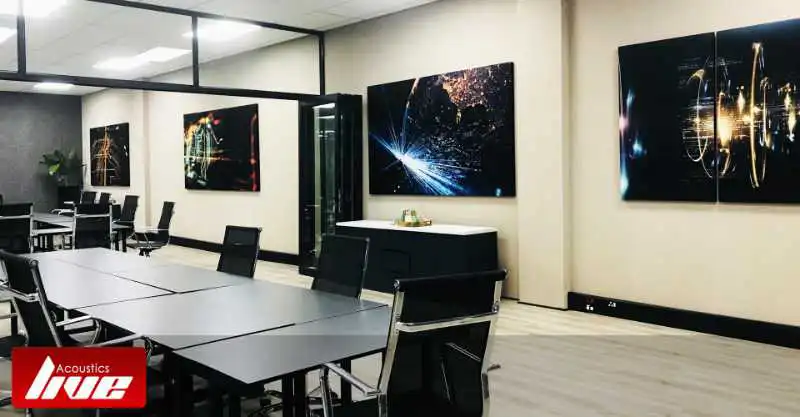
Live Art
Printed Acoustic Panels
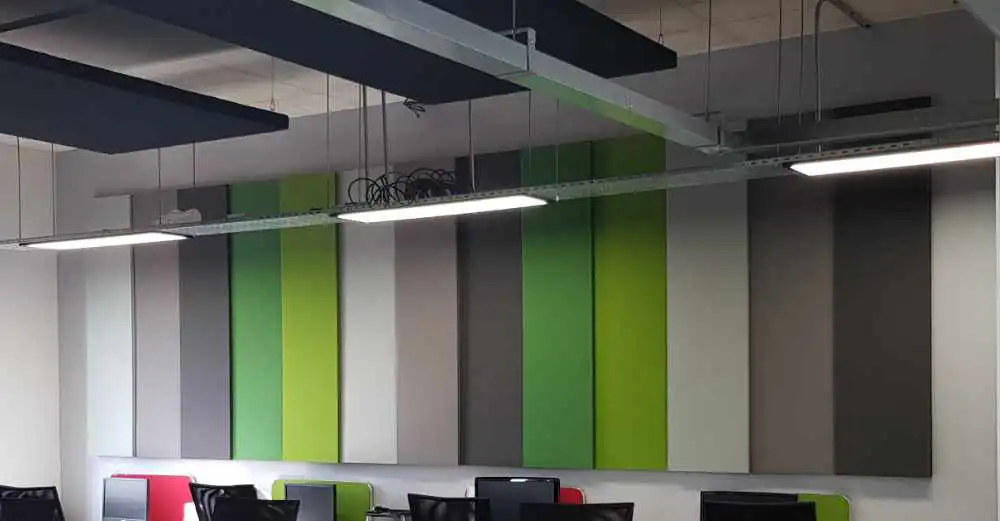
Live Textile
Fabric Acoustic Panels
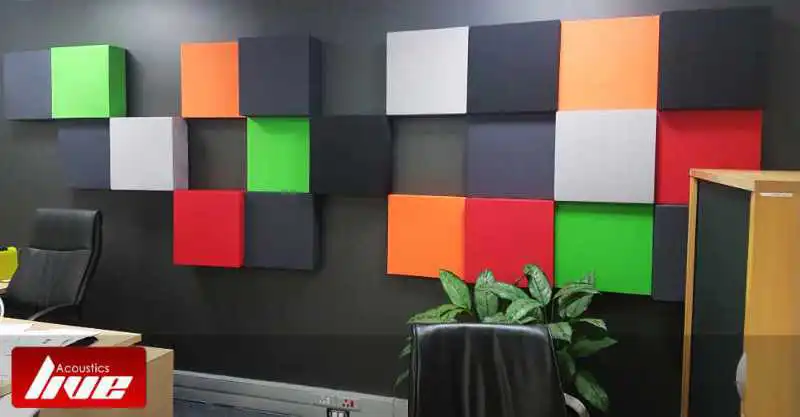
Live Textile
2D Fabric Acoustic Panels
Acoustic product development is the process of designing, engineering, and manufacturing acoustic products that either produce, manage, or interact with sound.
Acoustic product development to reduce noise or to ensure speech intelligibility is a multidisciplinary attempt to integrate engineering, material science, psychoacoustics, and design. This field spans a wide range of industries. Whether it’s improving the acoustics of an auditorium, boardroom, recording studio, restaurant or hotel lobby, acoustic treatment plays an essential part in all these situations.
At Live Acoustics, we design, develop and manufacture new acoustic products to suit many different environments and requirements. The design, develop and manufacture process incorporates sourcing all the relevant materials that make up the panel, and formulating the required product specification.
Understanding the Need for Acoustic Products
Each space and the appropriate choice of product for the space is not as simple as an aesthetic preference. The acoustic value of the target space plays a major role in determining the appropriate material to use in treating the space acoustically.
The development of acoustic products starts with understanding the problem that needs solving. This could involve reducing unwanted noise, enhancing desirable sounds, or tailoring sound behaviour in a specific environment. For instance, in urban environments, noise pollution is a growing concern. Acoustic materials and devices are needed to control sound transmission and absorption in buildings and public spaces.
Research and Market Analysis
Before the design begins, thorough market research is essential. This includes identifying user needs, technological trends, competitive products, and potential applications. Developers also consider regulatory standards, such as noise emission limits or occupational safety guidelines.
Additionally, psychoacoustic research plays a crucial role. It involves studying how humans perceive sound, which helps engineers design products that align with user expectations. For example, the perceived quality of a speaker doesn’t depend solely on its frequency response, but also on how natural or pleasant the sound feels to listeners.
Design and Engineering
The design phase of acoustic product development combines creativity and precision engineering. Material selection is also a critical factor. Acoustic materials may be chosen for their sound-absorbing, soundproofing, or sound-diffusing properties. For instance, porous foams, fibreglass panels, and specialized polymers are common in noise reduction applications.
Prototyping and Testing
Once a design is finalized, prototyping begins.A testing is key to refining the design. Feedback from performance metrics, user testing, and environmental simulations helps guide improvements.
Manufacturing and Quality Control
After successful prototyping and validation, products move to manufacturing. This stage requires precise control over materials, dimensions, and assembly to ensure consistent acoustic performance. Quality assurance involves end-of-line testing, where each product is acoustically tested to confirm it meets specifications.
Sustainability and Future Trends
Sustainability is becoming increasingly important in acoustic product development. Manufacturers are exploring eco-friendly materials and recyclable designs. Additionally, the rise of smart spaces and immersive technologies is driving demand for more sophisticated and energy-efficient acoustic solutions.
Wide Range of Panels
We have a wide range of acoustic panels, hanging panels, printed panels, ceiling panels, baffles, space partitioning room dividers etc. Architectural acoustics is the connection between how sound is produced in a space and the effect on those listening to the sound in that space. Architectural and building acoustics is concerned with achieving high intelligibility.
Acoustic panels are sound absorbing panels placed on walls or ceilings to control and reduce noise, eliminate slap echo and control comb filtering in a room. Although we import a wide range of acoustic panels and materials, we also proudly design and manufacture a number of acoustic panels in KwaZulu Natal. Our great range of handcrafted sound absorbing acoustic panels with care and precision using high quality acoustic fiberglass and fabrics Made with the highest quality acoustical fabric and sound dampening materials.
Available in many vibrant colours, shapes, and sizes. Customize your walls with our wonderful collection of aesthetically pleasing wall and ceiling treatments.
There are many interdependent parameters contributing to the optimisation of a custom-built acoustic space
Important elements can make a huge difference to the quality and clarity of any aural or multimedia experience like:
-
- Active noise control and soundproofing
- The sound reverberation over time
- The sound absorption of the surface materials
- Sound shadows cause sound to fail due to other obstructions and disruptions – wind etc
- The sound intimacy: How close the listener feels to the performing group
- Texture: The pause between, when the direct sound arrives and the first few reverberations
- Blend: Is the mixing all sound together of all the performers and their uniform distribution to the listeners
- External noise: Noise that interferes with the listener’s ability to focus on internal noise