
Office Acoustics
Sound Control for the Modern Office
Create quiet, focused spaces with high-performance acoustic panels, dividers, and phone booths designed for open-plan productivity.
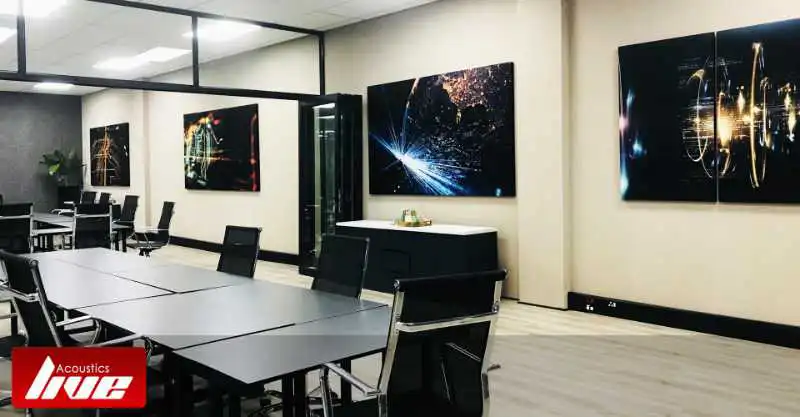
Live Art
Printed Acoustic Panels
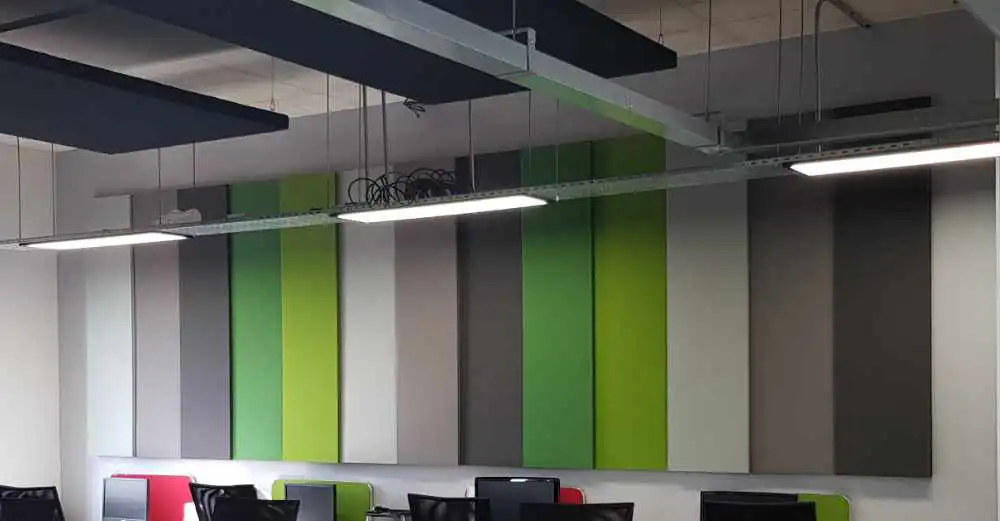
Live Textile
Fabric Acoustic Panels
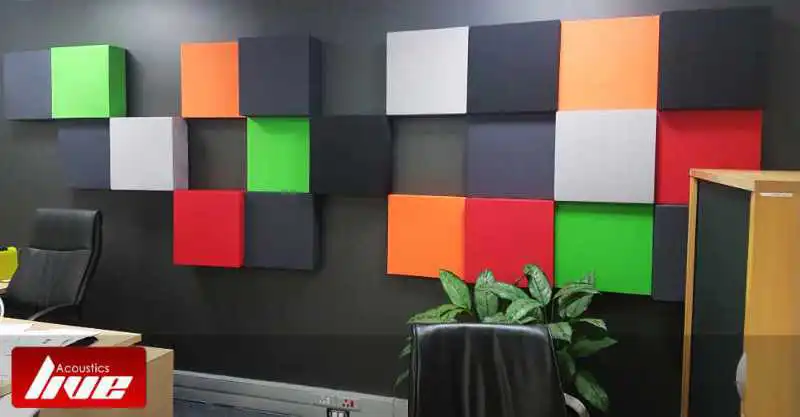
Live Textile
2D Fabric Acoustic Panels

Live Creative
Poly Fiber Acoustic Baffles
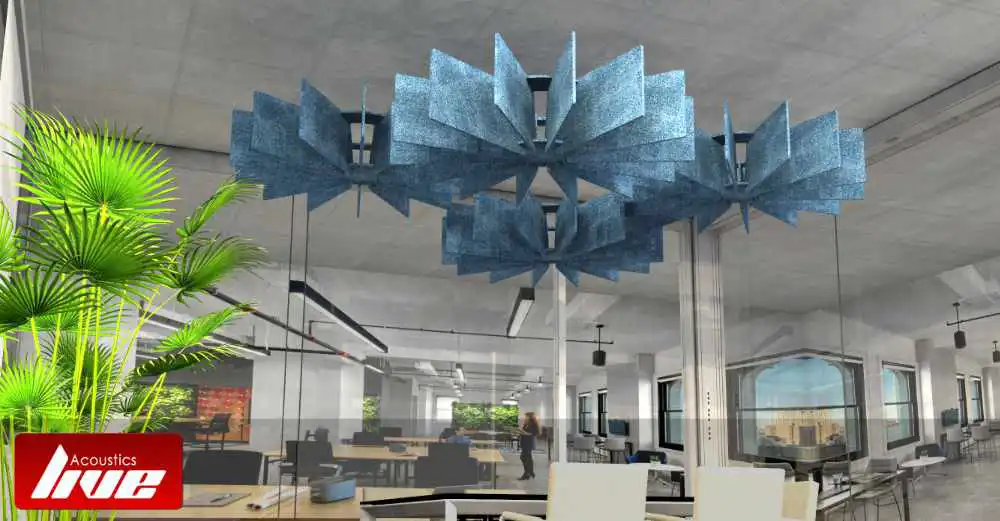
Live Diffraction
Suspended Acoustic Baffles
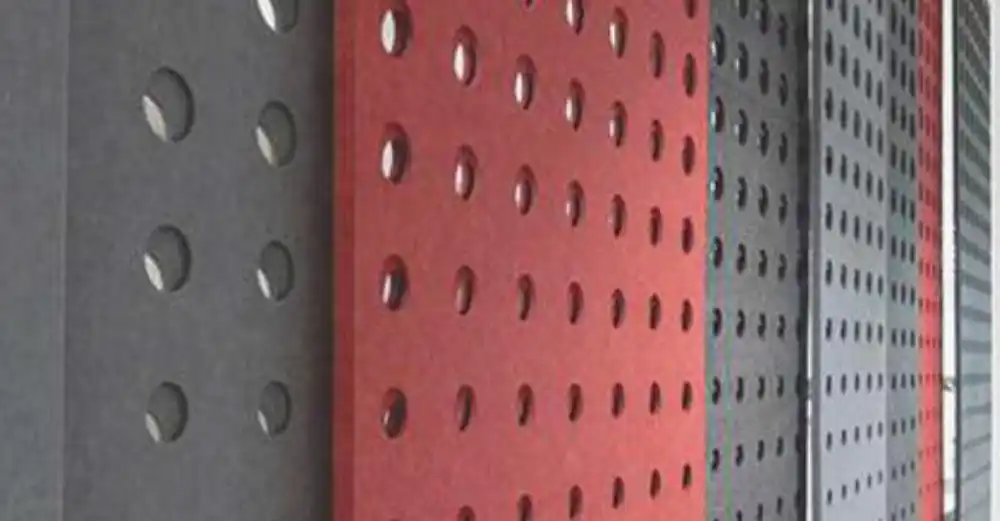
Live Creative
Poly Fiber Decorative Panels
Office Acoustics
Optimizing Acoustic Treatment in Large Office Spaces
In the bustling world of corporate environments, the significance of acoustic design is often overlooked. However, the acoustic quality of a workspace can profoundly impact productivity, concentration, and overall well-being. Large office spaces, in particular, present unique challenges in managing sound due to their expansive layouts and diverse functions. Implementing effective acoustic treatment in such environments requires a strategic approach that considers architectural design, materials selection, and technological solutions.
Understanding the Acoustic Challenges
Large office spaces are prone to various acoustic challenges, including:
-
- Reverberation: The excessive reflection of sound waves off hard surfaces can lead to prolonged reverberation times, creating a noisy and distracting environment.
- Speech Intelligibility: In open-plan offices, speech intelligibility can be compromised due to sound masking, background noise, and lack of privacy, affecting communication and collaboration among employees.
- Privacy Concerns: Confidential conversations can be overheard in large, open spaces, compromising privacy and confidentiality.
- Distractions: Noise from HVAC systems, equipment, conversations, and footsteps can disrupt concentration and reduce productivity.
Designing for Acoustic Comfort
To address these challenges, architects and designers must prioritize acoustic considerations from the initial design phase. Key strategies include:
-
- Layout Optimization: Segregating noisy areas (e.g., printers, break rooms) from quiet work zones can minimize disruptions. Additionally, incorporating smaller meeting rooms and phone booths enhances privacy and reduces noise propagation.
- Material Selection: Choosing acoustically absorbent materials, such as sound-absorbing ceiling tiles, wall panels, carpets, and furniture upholstery, helps mitigate reverberation and control noise levels.
- Room Shape and Volume: Optimizing the shape and volume of spaces can influence sound distribution and minimize acoustic issues. Avoiding excessively tall ceilings and irregularly shaped rooms reduces the potential for sound wave reflection and diffusion.
- Furniture and Layout: Strategic placement of furniture, partitions, and acoustic screens can create acoustic barriers, improve speech privacy, and enhance overall comfort.
Implementing Acoustic Treatment Solutions
In addition to architectural considerations, implementing targeted acoustic treatment solutions enhances sound control and comfort:
- Ceiling Treatments: Installing suspended baffles, clouds, or acoustic panels can effectively absorb sound reflections and reduce reverberation in large office spaces.
- Wall Treatments: Acoustic wall panels, fabric-covered partitions, and modular wall systems can attenuate noise transmission and improve speech intelligibility.
- Flooring Solutions: Carpeting or rugs with sound-absorbing underlays dampen footfall noise and minimize sound transmission between floors.
- Sound Masking Systems: Employing sound masking technology emits a low-level background noise that reduces the intelligibility of speech and enhances privacy without adding to the overall noise level.
- Personal Acoustic Solutions: Providing employees with noise-canceling headphones or acoustic privacy pods offers individual control over their auditory environment, promoting focus and concentration.
Leveraging Technology for Acoustic Management
Advancements in technology offer innovative solutions for managing acoustic environments in large office spaces:
- Acoustic Modeling Software: Utilizing acoustic modeling software allows designers to simulate and analyze the performance of various acoustic treatments, aiding in the selection of optimal solutions.
- Smart Sensors: Deploying smart sensors throughout the workspace enables real-time monitoring of noise levels, occupancy patterns, and environmental conditions, facilitating data-driven decision-making for acoustic optimization.
- Dynamic Sound Control Systems: Implementing dynamic sound control systems adjusts background noise levels and acoustic parameters based on occupancy, time of day, and activity type, ensuring optimal acoustic conditions at all times.
In the modern workplace, prioritizing acoustic comfort is essential for fostering productivity, well-being, and collaboration. Large office spaces present unique acoustic challenges, but with careful planning, innovative design solutions, and technological advancements, these challenges can be effectively addressed. By integrating acoustic treatment measures into architectural design and leveraging cutting-edge technologies, organizations can create environments that promote concentration, communication, and overall employee satisfaction in large office settings.
Live Creative
Poly Fiber Acoustic Baffles
Live Diffraction
Suspended Acoustic Baffles
Live Creative
Poly Fiber Decorative Panels