
Home Theatre
Unlocking the Magic of Home Theatre Acoustics
Creating an Immersive Audio Experience
Live Theatre
Home Theatre Acoustics
Live Theatre
Home Theatre Acoustics
Live Theatre
Home Theatre Acoustics
In the realm of home entertainment, few things rival the immersive experience of a well-designed home theatre. While advancements in display technology have brought stunning visuals into our living rooms, the importance of audio cannot be overstated. Home theatre acoustics play a crucial role in delivering a truly captivating auditory experience, bringing movies, music, and games to life with rich, detailed soundscapes. In this article, we'll explore the fundamentals of home theatre acoustics and how to optimize them for an unparalleled audio experience.
Understanding Acoustics
Acoustics, simply put, is the science of sound. In the context of home theatre, it encompasses how sound waves propagate, reflect, and interact within a given space. Achieving optimal acoustics involves managing factors such as reverberation, reflections, and frequency response to ensure clear, balanced sound reproduction.
Room Selection and Layout
The foundation of exceptional home theatre acoustics begins with selecting the right room and configuring its layout to minimize acoustic anomalies. Ideally, choose a room with dimensions that avoid significant resonances and standing waves. Rectangular or square rooms often provide the most acoustically friendly environments, while irregularly shaped rooms may present challenges that require mitigation.
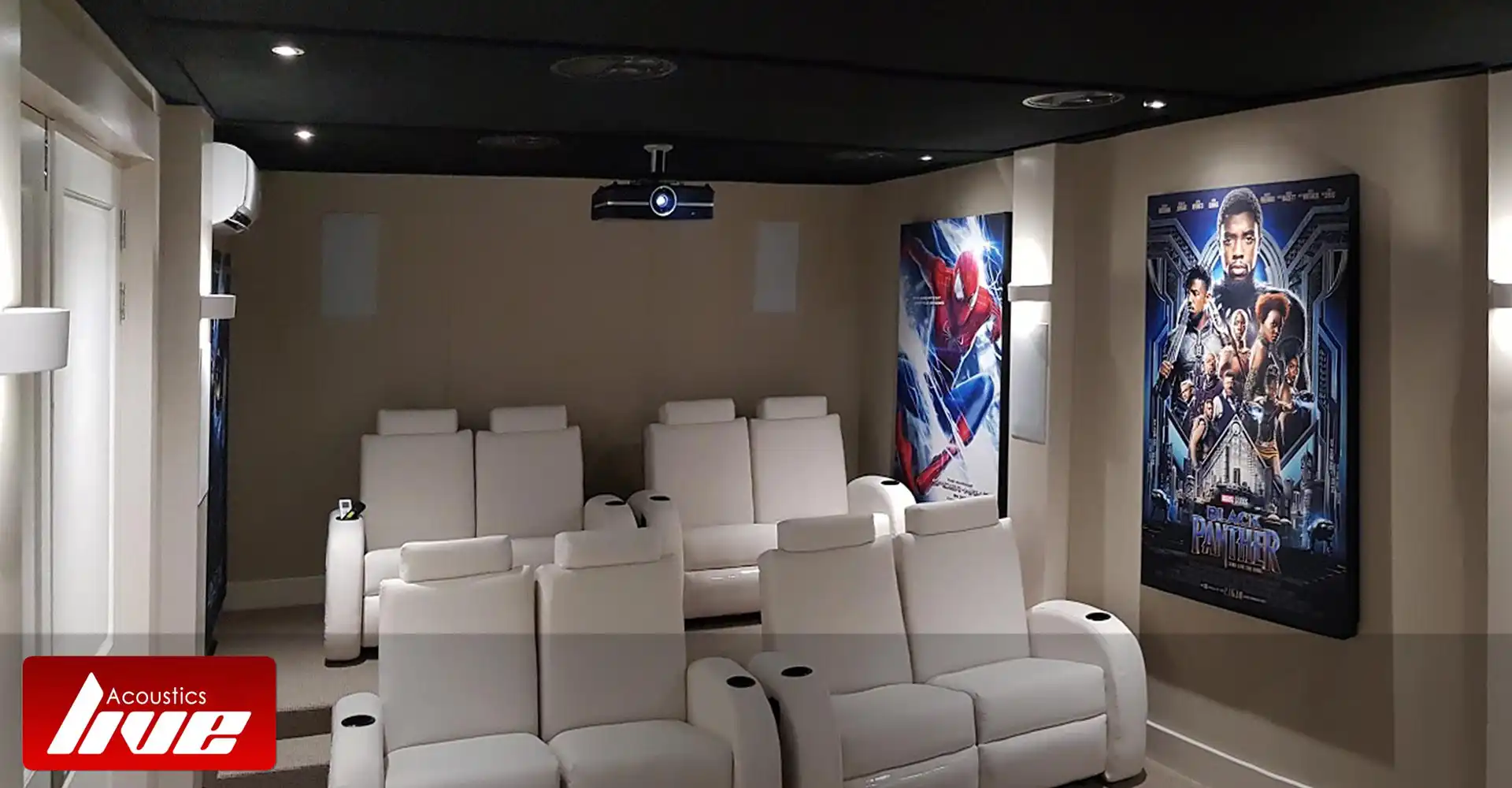
Once the room is selected, consider its layout. Position the primary seating area relative to the screen and speakers to optimize the listening experience. The screen should be placed at eye level, with the main speakers (front left, center, and front right) arranged symmetrically to create a cohesive soundstage. Surround speakers should be strategically placed to envelop the listener in immersive sound, typically to the sides and rear of the seating area.
Acoustic Treatments
Addressing acoustic issues such as echoes, reverberation, and unwanted reflections is essential for achieving pristine sound quality in a home theatre environment. Acoustic treatments, including sound-absorbing panels, diffusers, and bass traps, can help mitigate these issues and optimize the acoustics of the room.
Strategically placing acoustic panels on the walls and ceiling can absorb excess sound energy, reducing echoes and improving clarity. Diffusers scatter sound waves, preventing them from coalescing into harsh reflections and creating a more natural, immersive sound environment. Bass traps target low-frequency resonances, smoothing out the frequency response and enhancing bass reproduction.
Speaker Placement and Calibration
The placement and calibration of speakers are critical factors in optimizing home theatre acoustics. Proper speaker placement ensures accurate sound localization and balanced frequency response throughout the listening area. Front speakers should be positioned at ear level and equidistant from the primary seating position, while surround speakers should envelop the listener without overpowering the front soundstage.
Once the speakers are positioned, calibration is necessary to fine-tune their performance. Using a sound meter and calibration software, adjust speaker levels, distances, and frequency responses to achieve a cohesive, seamless soundstage. Calibration ensures that each speaker operates harmoniously within the room's acoustics, delivering accurate, immersive sound reproduction.
Room Acoustics and Furnishings
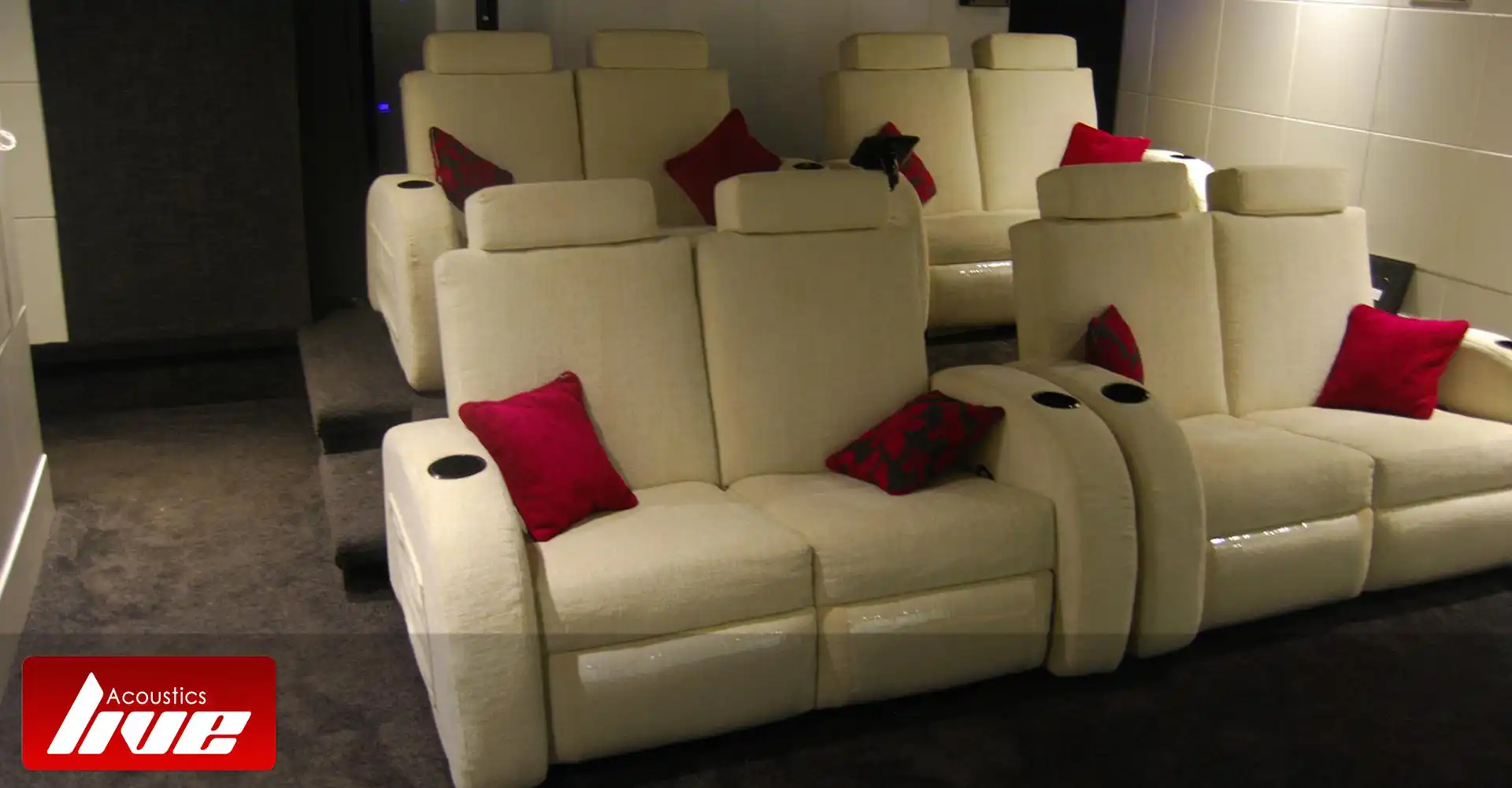
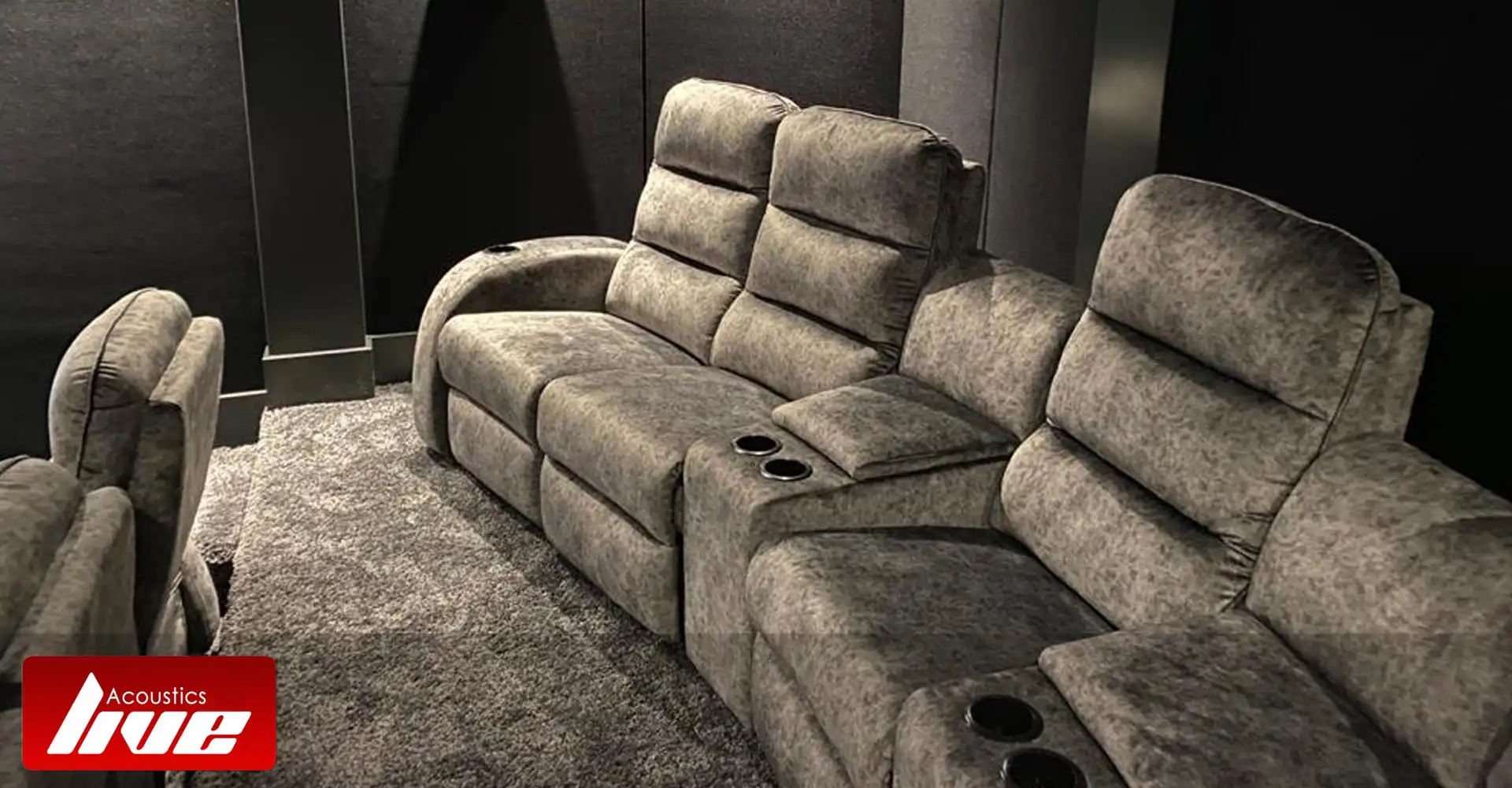
In addition to acoustic treatments and speaker placement, room furnishings can significantly impact home theatre acoustics. Soft furnishings such as curtains, rugs, and upholstered furniture help absorb sound and reduce reflections, improving overall clarity and immersion. Hard surfaces such as bare walls and floors can contribute to acoustic reflections and should be mitigated with appropriate treatments or furnishings.