
Halls and Classrooms
Acoustic Treatment in Halls and Classrooms
Effective acoustic treatment in halls and classrooms is essential for fostering an environment conducive to communication, learning, and comfort. Poor acoustics can lead to miscommunication, reduced concentration, and listener fatigue, all of which negatively impact educational outcomes and event experiences. Acoustic treatment involves the strategic use of materials and design techniques to manage sound behavior in an enclosed space, reducing issues such as reverberation, echoes, and background noise.
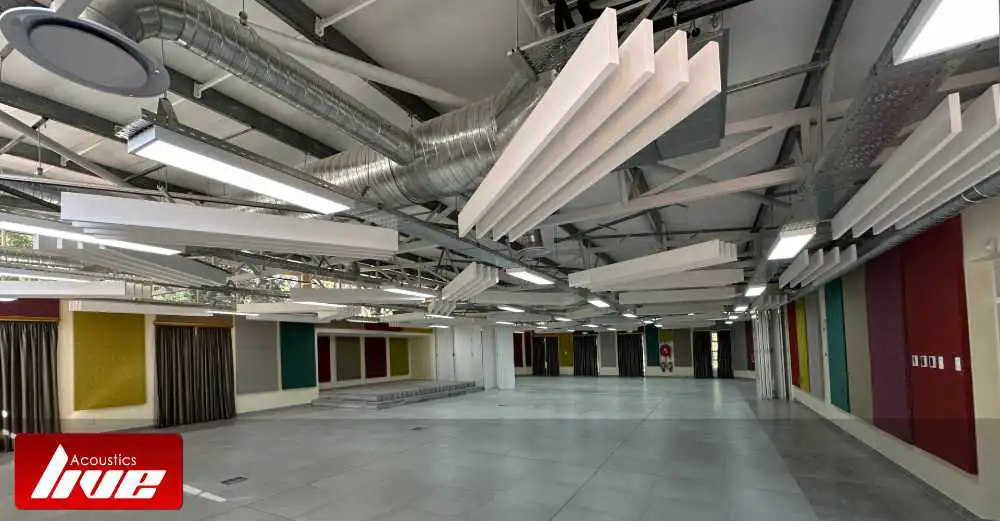
Botanical Gardens
Pietermaritzburg
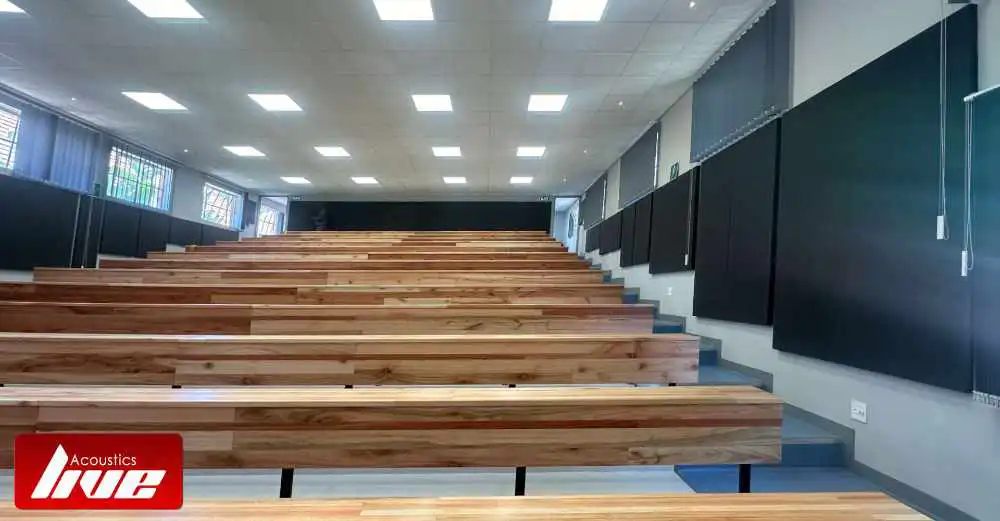
University KZN
Pietermaritzburg
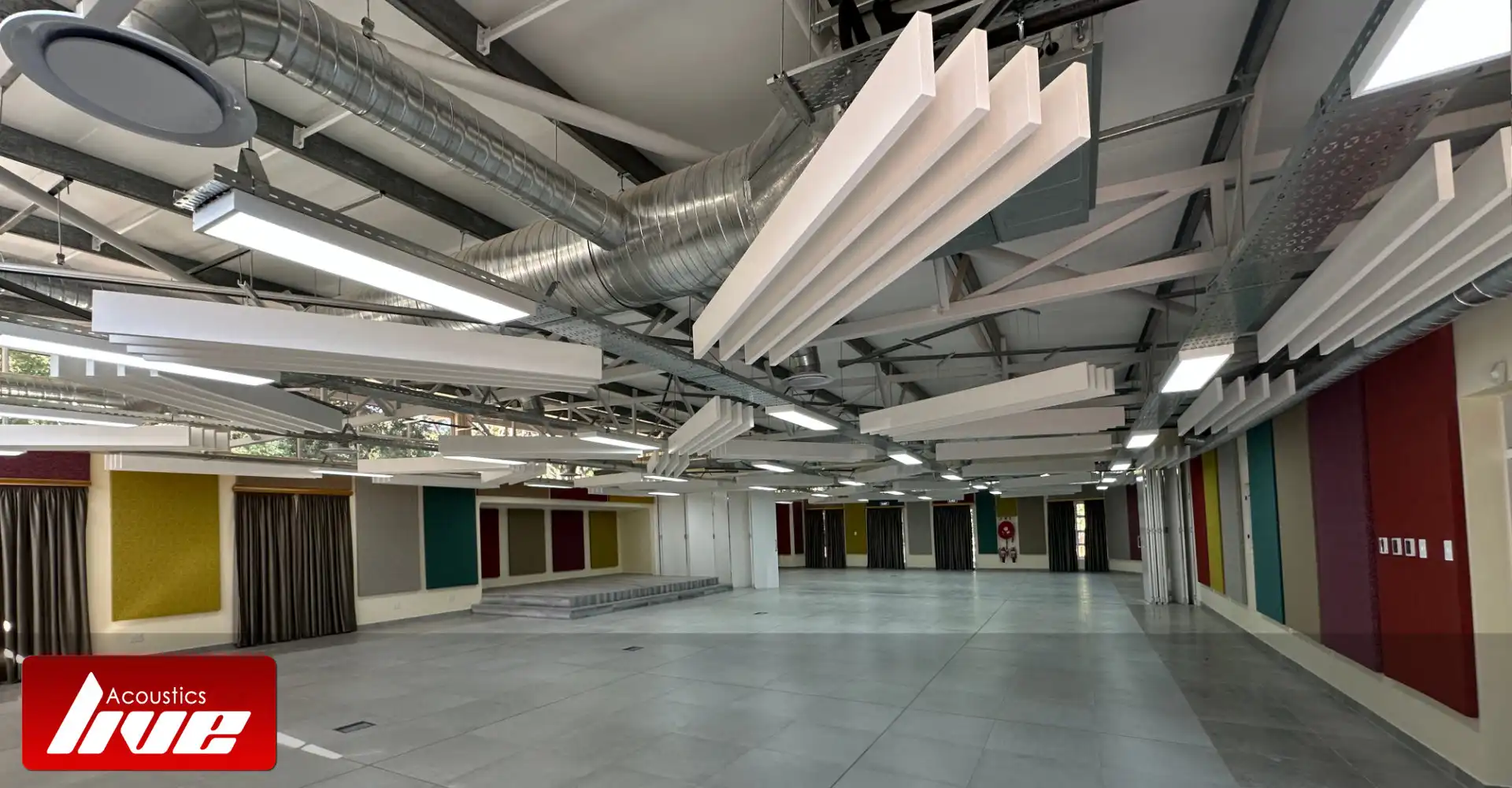
Auditorium Acoustics
New & Refurbished Spaces
Importance of Acoustic Treatment
The primary function of a classroom or hall is to facilitate communication—whether it's a teacher addressing students, a speaker giving a presentation, or a performer engaging an audience. Inadequate acoustics can distort speech and sound, making it difficult for listeners to comprehend what is being said. This is particularly detrimental in educational settings where comprehension is vital.
In classrooms, especially those for young children or non-native speakers, poor sound quality can severely hinder learning. Studies have shown that children require a higher signal-to-noise ratio than adults to understand speech clearly. This means that any excessive reverberation or background noise can disproportionately affect their ability to learn.
Common Acoustic Problems
The most common acoustic issues in classrooms and halls include:
- Reverberation: When sound reflects off surfaces like walls, floors, and ceilings, it can persist in a space, creating a reverberant effect. Excessive reverberation reduces speech intelligibility.
- Flutter Echoes: These occur when sound waves bounce between parallel hard surfaces, creating a quick, repeating echo that can be distracting.
- Background Noise: External sounds from traffic, HVAC systems, or adjacent rooms can interfere with the intended audio within a space.
- Sound Transmission: Poor sound insulation can lead to the leakage of noise between rooms or from outside, disrupting concentration and focus.
Acoustic Treatment Methods
To address these issues, several acoustic treatment strategies can be employed:
- Absorptive Materials
Acoustic panels, ceiling tiles, carpets, and curtains made from absorptive materials like fiberglass, foam, or mineral wool can reduce reverberation by absorbing sound waves. Installing these on ceilings and walls is one of the most effective ways to control excess noise in classrooms and halls.
- Diffusive Surfaces
While absorption is important, overdoing it can make a space sound "dead." Diffusers scatter sound waves in different directions, preserving a natural ambience while preventing direct echoes. Wooden slats, bookcases, or specially designed diffusive panels serve this purpose well.
- Bass Traps
In larger halls or multi-purpose rooms, low-frequency sounds can accumulate in corners. Bass traps are thick, dense absorbers placed in corners to manage these frequencies, improving the overall sound balance.
- Floating Floors and Acoustic Ceilings
To reduce sound transmission from adjacent spaces, floating floors with isolating layers and acoustic ceiling systems can be installed. These structural elements prevent vibrations from transferring between rooms.
- Sealing Gaps and Ducts
Even small gaps around doors, windows, and HVAC ducts can allow sound to travel. Acoustic seals, gaskets, and duct liners help prevent this unwanted transmission.
Designing with Acoustics in Mind
Ideally, acoustic treatment should be considered during the initial architectural design phase. Room dimensions, shape, and surface finishes all influence sound behavior. Rectangular rooms with high ceilings, for example, often suffer from excessive reverberation unless properly treated.
For existing buildings, retrofitting with acoustic panels and baffles is a common and effective approach. Portable acoustic dividers and sound-masking systems can also be used in flexible learning environments or temporary setups.
Benefits of Proper Acoustic Treatment
The advantages of well-treated spaces extend beyond clarity of speech:
-
Improved learning outcomes: Students can hear teachers clearly, leading to better comprehension and engagement.
-
Reduced teacher fatigue: Teachers don’t have to strain their voices, reducing the risk of vocal health issues.
-
Enhanced inclusivity: Students with hearing impairments or learning difficulties benefit significantly from acoustically balanced environments.
-
Increased versatility: Halls with good acoustics can accommodate a wider variety of uses—from lectures to performances—without additional sound reinforcement.
Acoustic treatment is a crucial but often overlooked component of educational and public architecture. In classrooms and halls, where communication is paramount, poor acoustics can undermine the very purpose of the space. By incorporating absorptive and diffusive elements, controlling noise intrusion, and designing with sound in mind, educators and facility planners can ensure that every word is heard clearly and every performance resonates effectively. Thoughtful acoustic treatment creates an environment where communication thrives, learning deepens, and all users benefit.
Frequently Asked Questions
Here are Some Related Frequently Asked Questions.
What is the difference between soundproofing and acoustic treatment?
Soundproofing (Sound Isolation): Blocks sound from entering or leaving a space. It relies on heavy, dense structural materials (like mass-loaded vinyl, double-sheetrock, or concrete) to stop sound transmission through walls, floors, and windows.
Acoustic Treatment (Sound Absorption): Improves the sound quality inside the room. It uses porous materials (like acoustic panels, baffles, and ceiling tiles) to absorb sound reflections, eliminating echo and reverberation.
What is Reverberation Time (RT60), and why does it matter?
(RT60) is the time (in seconds) it takes for a sound to decay by 60 decibels after the source has stopped.
In Classrooms: High reverberation causes sound waves to overlap, smearing spoken words and ruining speech intelligibility. Students spend extra cognitive energy trying to decode what the teacher said rather than learning the material.
In Large Halls: Excessive decay creates a muddy "boomy" environment where amplified speech or acoustic instruments lose detail.
What is an NRC rating?
Noise Reduction Coefficient (NRC) measures how much sound a material absorbs on a scale from 0.0 to 1.0
0.0 = Completely reflective (e.g., standard glass or concrete).
1.0. = Perfect absorption (absorbs 100% of incident sound). Target: Look for wall panels and ceiling tiles with an NRC rating of $0.75$ to $0.85$ or higher for school and hall applications.