
Door Products
Home / Door Products
When Your Space Requires an Acoustic Door
In today’s world, where productivity, privacy, and peace are highly valued, managing sound within a space has become more important than ever. Whether it’s for professional, personal, or public use, having a controlled acoustic environment can make all the difference. One essential element in achieving this is the installation of an acoustic door. But how do you know when your space truly requires one?

Understanding Acoustic Doors
Acoustic doors are specially engineered to reduce the transmission of sound between rooms. Unlike standard doors, which often allow sound to pass through gaps or thin materials, acoustic doors are constructed with dense cores, sealed perimeters, and specialized materials that block or absorb sound waves. They are rated based on their Sound Transmission Class (STC), a measurement that indicates how effectively the door reduces sound. The higher the STC rating, the better the sound insulation.
When Do You Need One?
Not every room or building requires an acoustic door, but there are specific scenarios and environments where they become a critical component:
Recording Studios and Broadcast Rooms
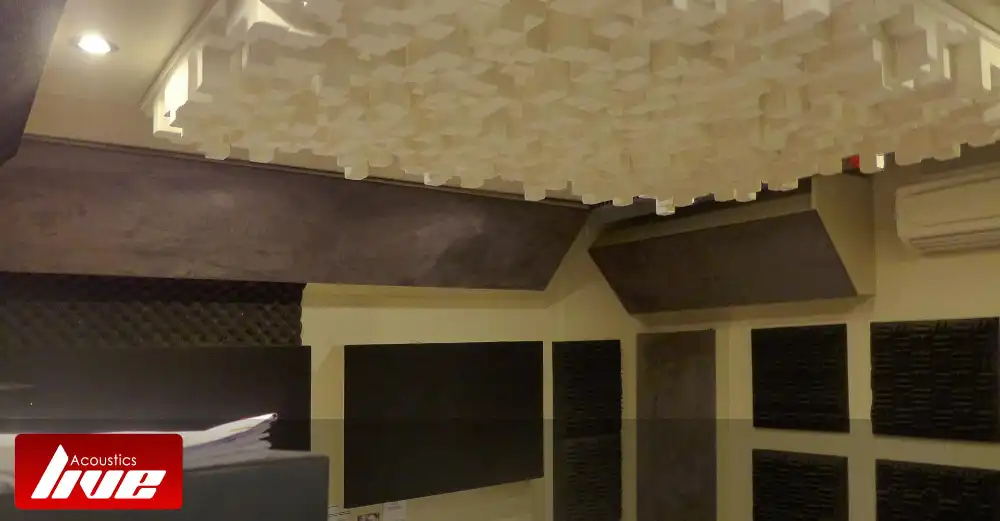
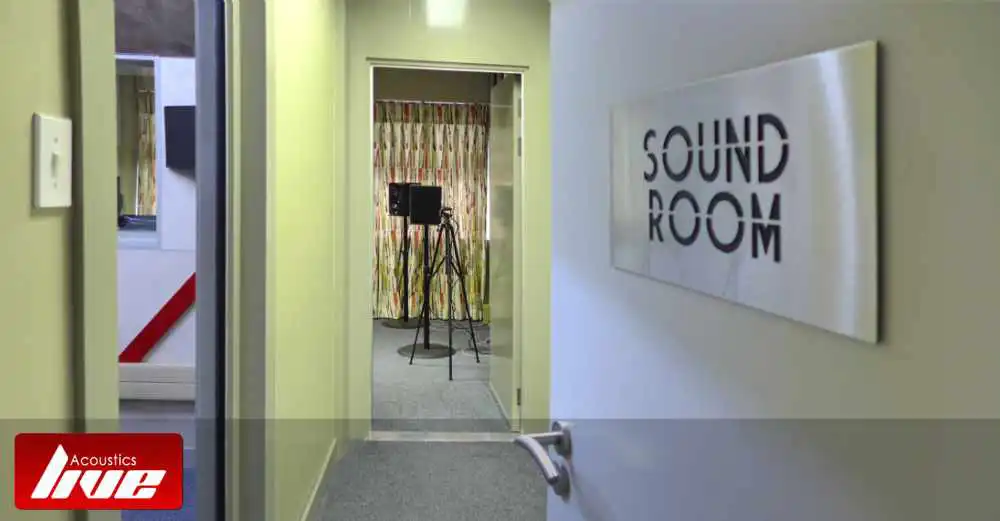
Perhaps the most obvious use case, recording studios need total sound control. Both internal and external noises can compromise sound quality. Acoustic doors prevent outside noise from bleeding in while also keeping loud recording sessions contained, ensuring optimal recording conditions and minimizing disturbances.
Offices and Conference Rooms
Modern office designs often emphasize open spaces and glass partitions, which can look stylish but do little for noise control. In high-level executive offices, conference rooms, or boardrooms where confidential discussions take place, acoustic doors can provide the necessary sound privacy. This is especially important for law firms, consulting agencies, and corporations handling sensitive information.
Hospitals and Healthcare Facilities
In medical environments, reducing noise is not just about comfort—it’s about health and compliance. Excessive noise can interfere with patient recovery, medical equipment, and communication between staff. Acoustic doors in patient rooms, consultation areas, and administrative offices help maintain a calm and private atmosphere.
Educational Institutions
Classrooms, libraries, testing centers, and auditoriums all benefit from acoustic doors. Minimizing noise distractions improves focus, learning outcomes, and the overall school environment. This is particularly crucial in special education settings, music departments, or buildings located in noisy urban areas.
Hotels and Hospitality Spaces
Guests expect peace and quiet during their stay. Noise from adjacent rooms, hallways, or outside traffic can lead to poor reviews and lost business. Acoustic doors help ensure a restful environment, improving guest satisfaction and loyalty.
Home Theaters and Media Rooms
Homeowners investing in high-end audio/visual setups often include acoustic treatment. An acoustic door completes the soundproofing, preventing sound from escaping and stopping outside noise from interfering with the movie or music experience. It’s also ideal for households with multiple generations or conflicting schedules.
What to Look for in an Acoustic Door
When choosing an acoustic door, several factors come into play:
- STC Rating: Choose the right rating based on your needs. For basic privacy, STC 30–35 may suffice. For professional or high-privacy applications, go for STC 45 and above.
- Material and Core: Doors may have solid wood, metal, or composite cores filled with sound-dampening material.
- Seals and Gaskets: Proper perimeter seals, drop seals, and thresholds are critical to the door’s effectiveness.
- Aesthetic Options: Modern acoustic doors can be customized to match the decor of your space while still delivering top performance.
Installation and Maintenance
Proper installation is crucial for an acoustic door to function correctly. Even the best door will fail to perform if there are gaps or if it isn’t aligned properly. Work with experienced professionals who understand the intricacies of sound control. Regular maintenance of seals and hinges ensures the door continues to perform well over time.