
Auditorium Acoustics
Auditorium Acoustics
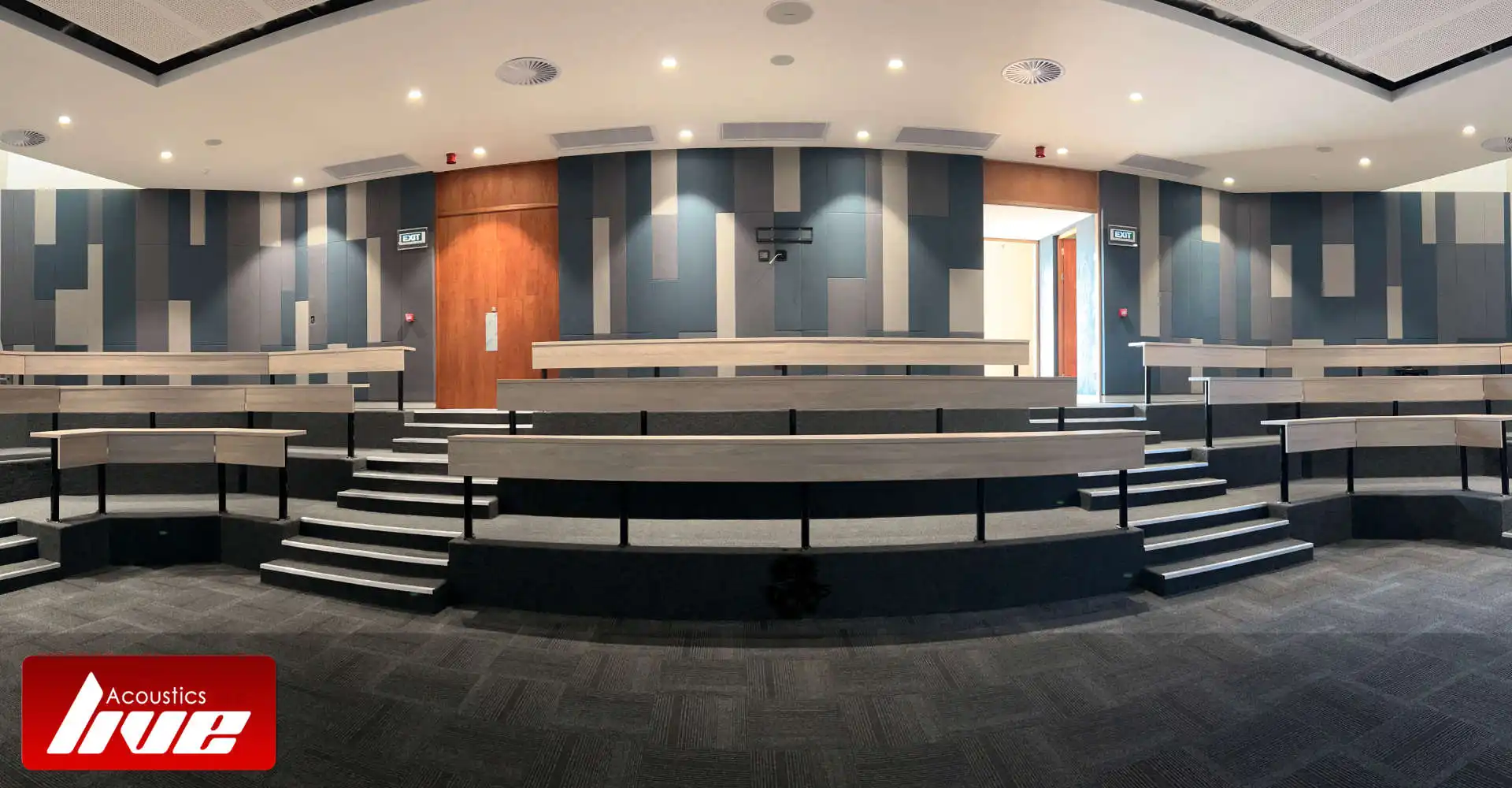
MINTEK
Auditorium Acoustics, JHB
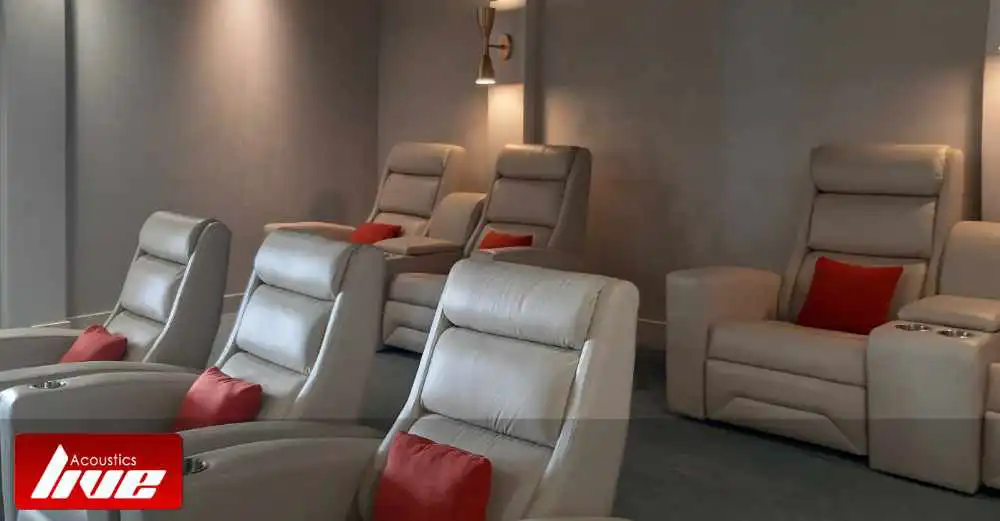
KZN Film Commission
Theatre Acoustics
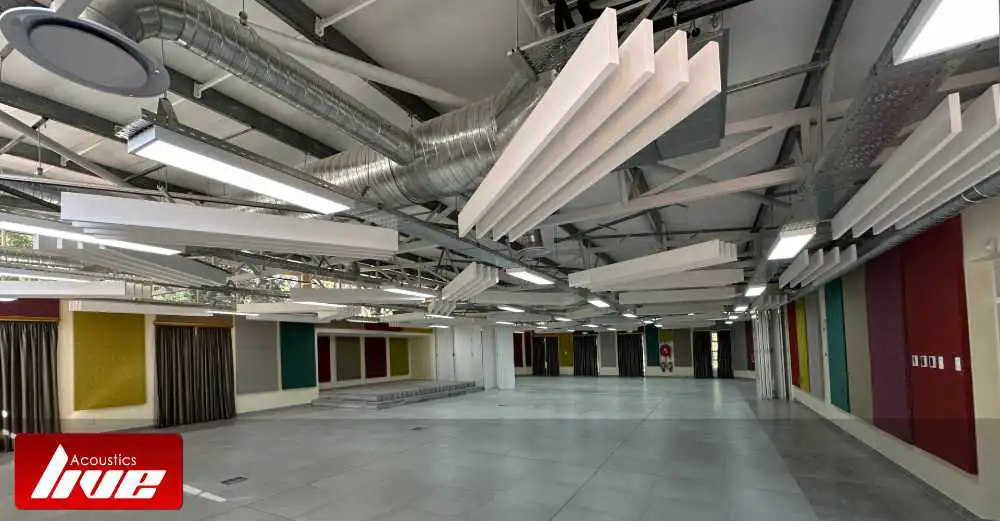
Botanical Gardens ,PMB
Multipurpose Room
Auditorium, Multipurpose Room, and Performance Space Acoustics
Auditorium acoustics refers to the science and design of sound behavior within large performance spaces such as concert halls, theaters, and lecture halls. The goal is to ensure clear, balanced, and immersive sound for all listeners, regardless of their seating position. Key factors influencing auditorium acoustics include sound reflection, absorption, diffusion, and reverberation.
A well-designed auditorium enhances speech intelligibility, musical richness, and audience engagement by controlling echoes, minimizing background noise, and ensuring even sound distribution. Architectural elements such as wall materials, ceiling shape, and seating arrangement all play crucial roles in shaping the acoustic experience. Understanding these principles helps create spaces that deliver exceptional auditory experiences for both performers and audiences.
A well-designed auditorium should achieve the following objectives:
-
- Speech, vocal performances, and music should be clear and intelligible, avoiding distortion or excessive echo.
- Sound should be evenly distributed, ensuring clarity even for those seated at the back of the space.
- Unwanted noise should be minimized so that performances and speeches remain distinct and comprehensible.
A Cutting-Edge Approach to Auditorium Acoustics
Live Acoustics employs a state-of-the-art approach to refurbishing existing spaces or developing new performance venues. The acoustics of auditoriums, multipurpose rooms, and performance spaces are inherently complex due to their varied functional requirements. Speech, vocal performances, and instrumental music each have different acoustic needs.
For instance:
-
- Theatrical productions may require performers to project their voices dynamically across the stage.
- Musical performances must balance between a ‘dry’ acoustic environment (short reverberation time) and a ‘wet’ one (long reverberation time).
- Certain seating areas may offer an ‘acoustic sweet spot,’ while others may suffer from excessive reverberation, affecting the audience's experience.
Understanding Sound Behavior in Enclosed Spaces
Every enclosed space introduces sound distortion due to its unique physical characteristics. Resonance frequencies—specific frequencies that are amplified more than others—can severely impact sound quality. Effective acoustic design employs various techniques, ranging from fundamental reverberation time calculations to advanced acoustic modeling, simulation, and real-life sound auralization.
Acoustic Concepts and Considerations
Sound Reflection in an Auditorium
-
- Baffles and Acoustic Panels: Used to control sound reflections and reduce unwanted echo.
- Direct and Reflected Sound Paths: Managing reflections from the stage walls, side walls, and ceiling ensures optimal sound distribution.
Acoustic Clarity
-
- Acoustic clarity refers to how distinctly a sound wave is perceived. It depends on the balance between initial and delayed sound energy:
- Initial energy (<50 milliseconds): Crucial for speech intelligibility.
- Delayed energy (>50 milliseconds): Affects music perception, with 80 milliseconds being the threshold for musical clarity.
Speech Privacy
Speech privacy is critical in multipurpose spaces, preventing conversations from being overheard. This is particularly important in settings where confidentiality matters.
Reverberation and Material Influence
-
- The room’s volume and surface materials determine its reverberation characteristics:
- Large spaces with hard surfaces (e.g., school gyms) reflect sound extensively, creating a ‘hollow’ or highly reverberant environment.
- Smaller spaces with soft, absorptive materials (e.g., recording studios) absorb sound, minimizing reflections and ensuring clarity.
Comprehensive Acoustic Solutions
Live Acoustics offers expert services to help refurbish or develop your auditorium, multipurpose room, or performance space. Our tailored solutions ensure that your venue achieves the perfect acoustic balance for its intended use, providing an optimal auditory experience for both performers and audiences.
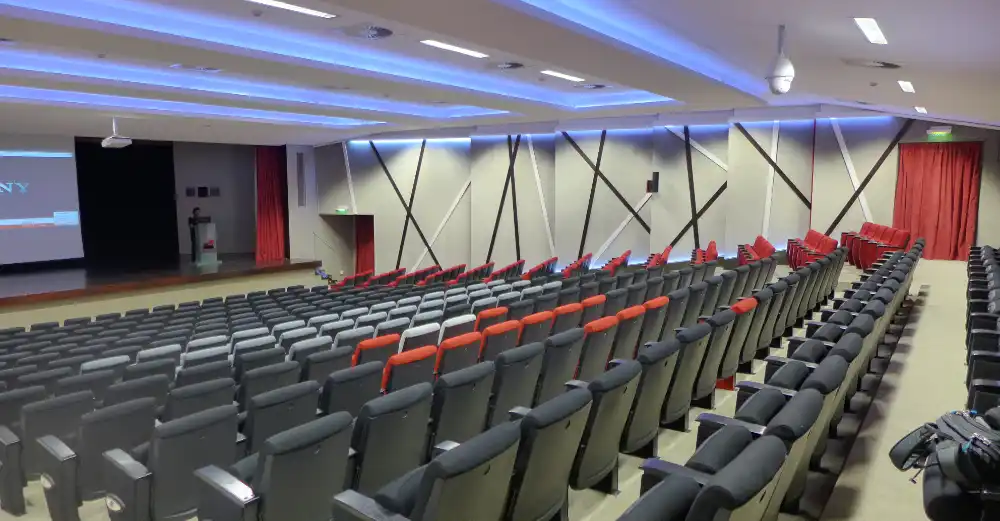
MINTEK
Auditorium Acoustics, JHB
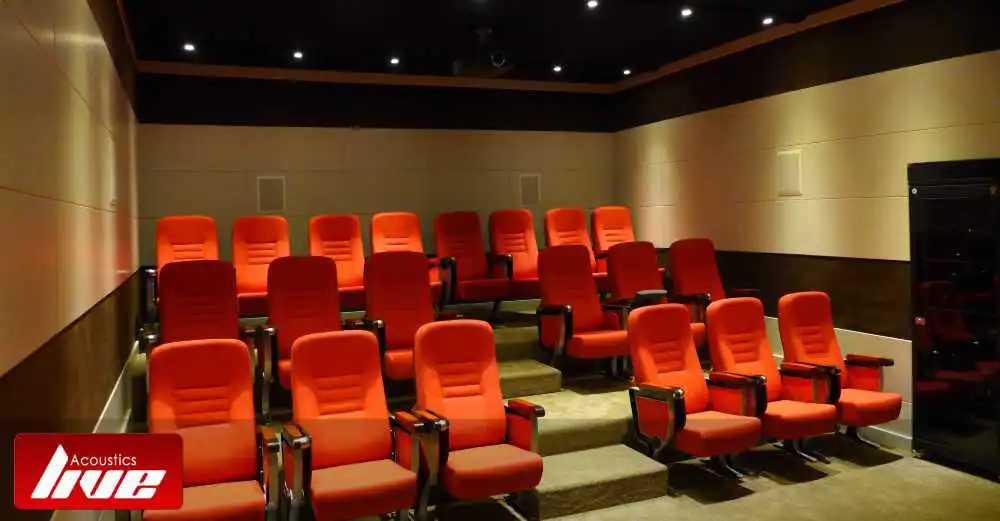
KZN Film Commission
Theatre Acoustics
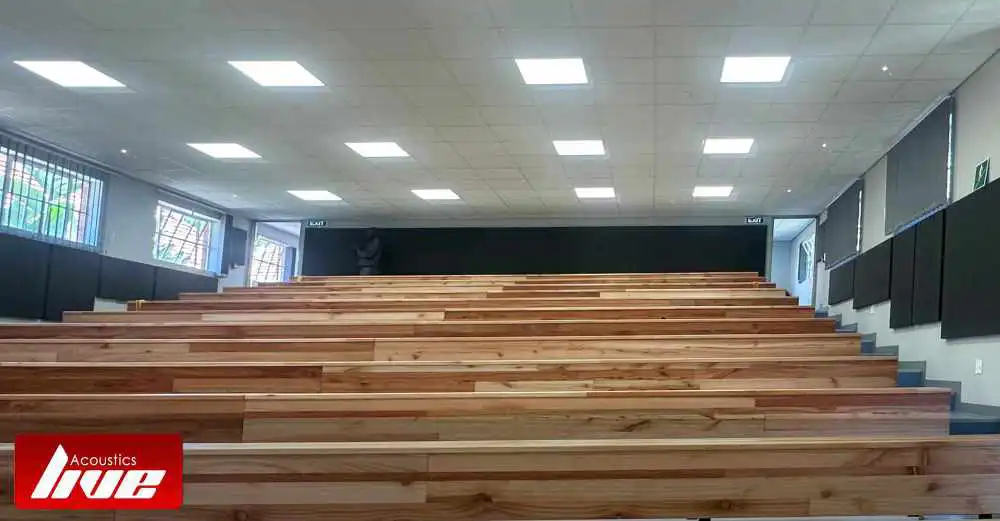
University KZN
Campus Acoustics
Frequently Asked Questions
Here are Some Related Frequently Asked Questions.
Can acoustic treatment improve speech intelligibility?
Yes. Controlling excessive reverberation and unwanted reflections can significantly improve speech intelligibility, making presentations, lectures and announcements easier to understand..
Can acoustic treatment be used in commercial cinemas?
Yes. Cinema acoustics require careful control of reflections and reverberation to support clear dialogue, accurate effects and an immersive listening experience. Treatment can be integrated into walls, ceilings and other architectural elements.
How do you determine how much acoustic treatment an auditorium needs?
The amount and location of treatment depends on factors such as room volume, surface finishes, occupancy, intended use and the required reverberation time.
Can you manufacture acoustic panels to a custom shape or design?
Yes. Custom shapes, sizes, colours, patterns and configurations can be developed to suit the architectural requirements of the project.
Can acoustic treatment be designed around the architecture of the venue?
Yes. Acoustic treatment does not have to look like an add-on. Panels, baffles and other systems can be custom-designed to complement the architecture, interior finishes, colours, patterns and branding of the venue.
Why does an auditorium or hall require acoustic treatment?
Large spaces can create excessive reverberation, echoes and uneven sound distribution. Proper acoustic treatment helps improve speech intelligibility, musical clarity and overall sound quality throughout the audience area.
What is custom acoustic treatment for auditoriums and halls?
Custom acoustic treatment is designed specifically for the dimensions, geometry, use and acoustic requirements of a space.
This can include acoustic wall panels, ceiling systems, banners, baffles, clouds and other architectural acoustic elements.