Acoustic Rafts & Clouds
High Performance Acoustic Solutions
In the modern world of open-plan offices, industrial-style architecture, and multifunctional spaces, managing acoustics has become more important than ever. One innovative solution gaining popularity in both commercial and residential spaces is the acoustic raft, also known as an acoustic cloud. These suspended sound-absorbing panels not only help control noise but also add aesthetic value to a room’s design.
What Are Acoustic Rafts?
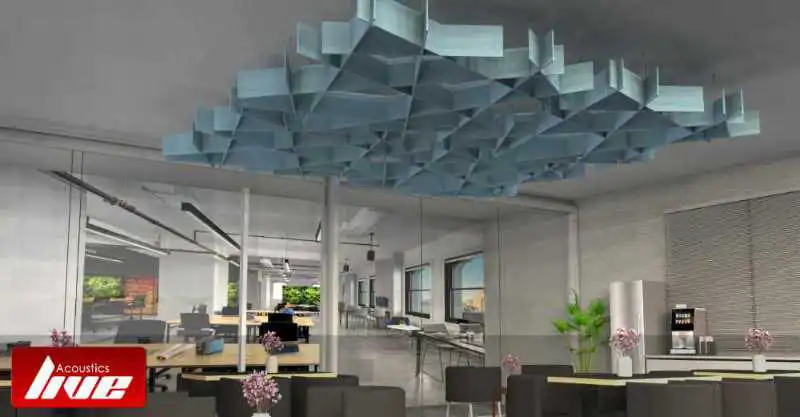
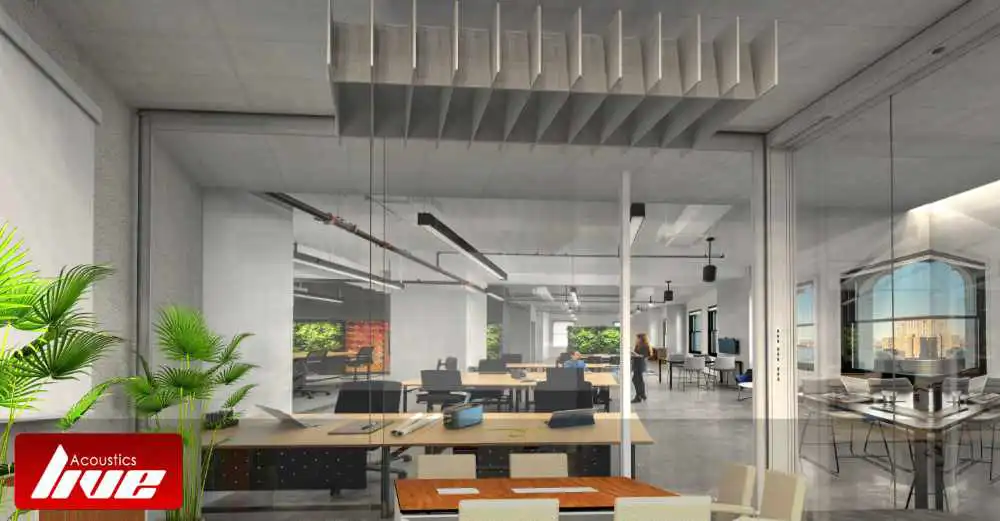
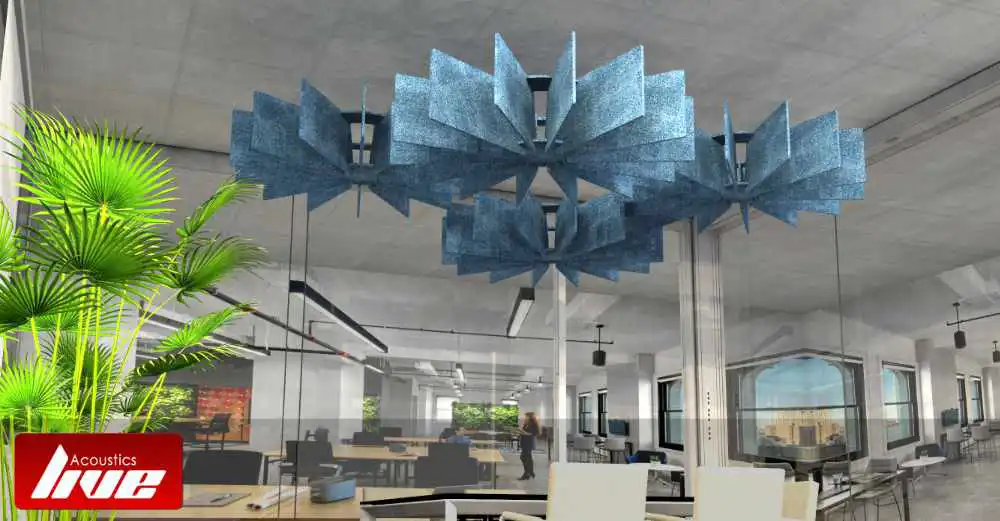
Acoustic rafts are suspended ceiling panels designed to absorb sound and reduce noise levels in a room. Unlike traditional acoustic ceiling tiles that cover the entire ceiling surface, rafts are typically installed in specific zones, floating below the structural ceiling. They are available in a wide range of shapes, sizes, and finishes, offering both functional and decorative benefits.
Made from sound-absorbing materials like mineral wool, fiberglass, or polyester fibers, these panels help to reduce reverberation and echo by trapping and diffusing sound waves. Acoustic rafts can be covered in various fabrics or printed designs to suit interior aesthetics, making them an increasingly popular choice in architecturally bold environments.
How Do They Work?
The primary function of acoustic rafts is to improve sound quality by reducing reverberation time—the duration it takes for sound to decay in a space. In rooms with hard surfaces like glass, concrete, and metal, sound waves bounce around and create echoes, leading to poor speech intelligibility and an uncomfortable acoustic environment.
By installing rafts at strategic locations, typically above areas where people gather or communicate (e.g., meeting rooms, desks, dining areas), these panels absorb sound energy from above and around. Since they are suspended, rafts absorb sound from both their top and bottom surfaces, making them more effective than wall-mounted acoustic panels in some scenarios.
Benefits of Acoustic Rafts
-
- Improved Speech Clarity: By minimizing background noise and echo, acoustic rafts help ensure that conversations, meetings, and presentations are clear and intelligible.
- Aesthetic Flexibility: Rafts come in various shapes—rectangles, circles, hexagons—and can be customized with colors, textures, or even graphic prints, allowing them to blend into or enhance the interior design.
- Thermal and Lighting Compatibility: Since they don’t cover the entire ceiling, acoustic rafts allow for better integration of lighting systems, HVAC equipment, and skylights. This flexibility can lead to energy savings and better environmental control.
- Ease of Installation: Compared to full acoustic ceiling systems, rafts are relatively easy to install and require less structural alteration. They are a great retrofit solution for existing spaces with poor acoustics.
- Eco-Friendly Options: Many manufacturers now offer sustainable acoustic rafts made from recycled or natural materials, contributing to green building certifications like LEED or WELL.
Applications of Acoustic Rafts
Acoustic rafts are used in a wide range of environments:
-
- Offices: Especially in open-plan layouts where multiple conversations and activities occur simultaneously.
- Educational Facilities: Classrooms, lecture halls, and libraries benefit from reduced noise levels and improved focus.
- Hospitals and Healthcare Spaces: Quiet environments aid patient recovery and staff communication.
- Hospitality and Retail: Restaurants, cafes, and stores use rafts to create pleasant acoustic atmospheres without compromising on design.
- Home Interiors: Particularly in home theaters, open kitchens, or high-ceiling living rooms, rafts can dramatically improve acoustic comfort.
Design Considerations
When selecting acoustic rafts, it's important to consider several factors:
-
- Room Size and Shape: The number and placement of rafts should be tailored to the acoustic needs of the space. Acoustic consultants can provide modeling and testing to guide decisions.
- Material and Thickness: Thicker panels generally absorb lower frequencies better, while thinner panels are effective for mid-to-high frequencies.
- Hanging Height and Orientation: The distance from the ceiling and the angle of installation can influence acoustic performance. Uniform alignment or artistic layering can also change the visual impact.
- Maintenance and Durability: In high-traffic or public areas, choosing durable, easy-to-clean finishes can extend the life of the installation.